|
Related FAQs: The
Fishes of the Cook Islands,
Coverage of families in the Cooks: Surgeons, Doctorfishes, Tangs, Triggerfishes,
Hawkfishes, Wrasses,
Related Articles: Introduction to Fishwatcher's Guide
Series Pieces/Sections,
/Fishwatching: Adventure Travel Series
Pet-Fishing in the Cook
Islands
Long Version, Pt.
VI
To: Pet-Fishing in the Cooks, Short Version,
Longer Version: Part I, Part II, Part III,
Part IV, Part V, Part
VII
|
|
|
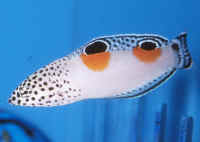
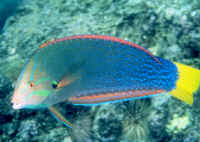
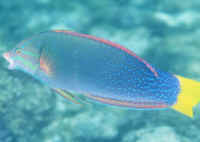
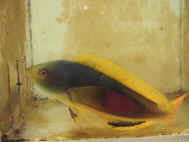
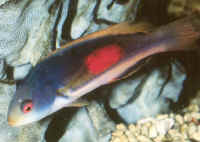
>Cirrhilabrus (1), Coris (3 spp.)
Shown: the fabulous Cirrhilabrus scottorum. Great from
here. One in Chip Boyle's holding facility, the other in a
U.S. aquarium
|
|
| Shown below, juvenile, female and males of the two
most common Coris wrasses in the trade and the Cooks: Coris
aygula and C. gaimard. Not shown (or ever seen by me),
C. roseoviridis. |
|
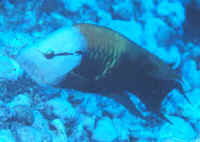
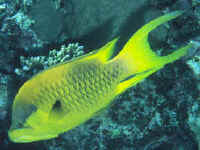
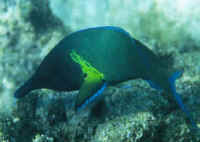
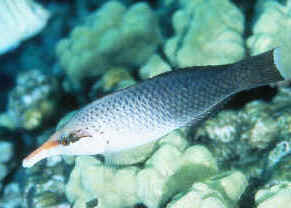
>Epibulus (1), Gomphosus (1)
The Sling Jaw Wrasse, Epibulus insidiator, male and
female shown, as is Gomphosus varius a Bird Wrasse. Males
from here are gorgeous.
|
|
|
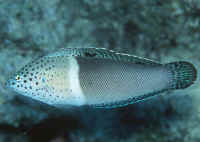
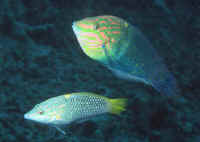
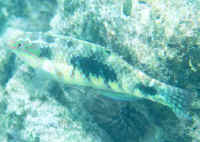
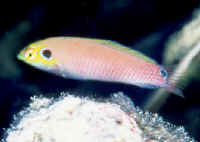
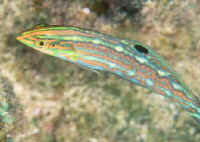
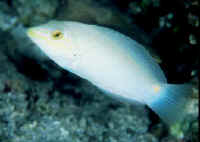
>Halichoeres Wrasses of the Cooks, N= 5
Shown: Halichoeres hortulanus, H. margaritaceus, H.
melasmapomus, H. ornatissimus, H. trimaculatus.
|
|
|
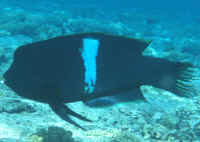
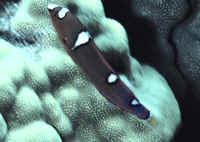
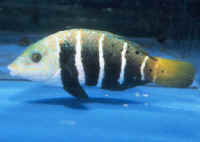
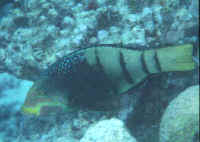
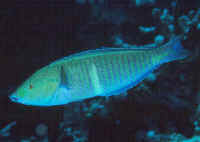
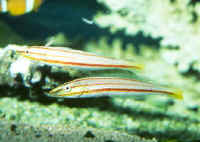
>Hemigymnus, Hologymnosus, not for aquarium use
Shown: juvenile and adult Hemigymnus fasciatus, adult
Hologymnosus annulatus, and juvenile and adult H. doliatus.
|
|
|
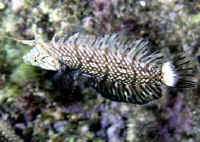
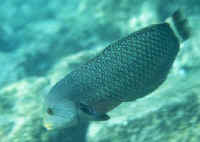
>Novaculichthys, the Rock Mover
Shown: Novaculichthys taeniourus juvenile and adult,
not shown: Cymolutes praetextatus.
|
|
|
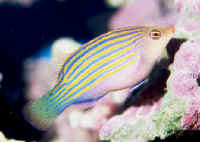
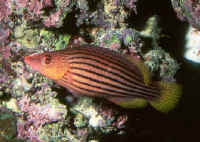
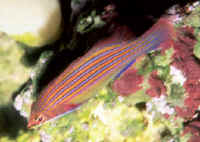
>Pseudocheilinus Wrasses,
N= 5
Shown: Pseudocheilinus hexataenia, P. octotaenia, P.
hexataenia.
Not shown: P. ocellatus, P. citrinus
|
|
|
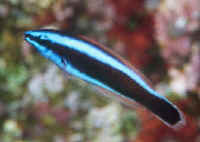
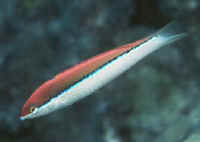
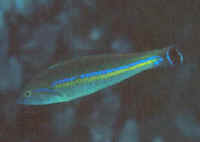
>Pseudodax, Pseudojuloides, don’t generally live in
captivity
Shown, the monotypic Pseudodax moluccanus as a
juvenile, the two Pseudojuloides found in the Cooks: P.
atavai and P. cerasinus.
|
|
|
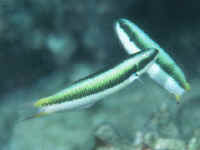
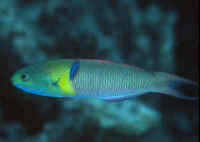
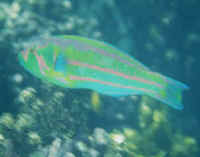
>Thalassoma Wrasses, n = 6
Shown: Thalassoma amblycephalum females and a male,
T. hardwicke, a female and male T. lutescens,
T. purpureum.
Not shown: T. quinquevittatum, T. trilobatum
|
 
|
|
|