|
Related FAQs: Fungiids, Fungiid
Corals 2, Fungiid
Identification, Fungiid
Behavior, Fungiid
Compatibility, Fungiid
Selection, Fungiid Systems,
Fungiid Feeding, Fungiid Disease, Fungiid Reproduction, Stony/True Coral, Coral System Set-Up, Coral System Lighting, Stony Coral Identification, Stony Coral Selection, Coral Placement, Foods/Feeding/Nutrition, Disease/Health, Propagation, Growing Reef Corals, Stony Coral Behavior,
Related Articles: Large Polyp Stony
Corals, Stony or True Corals,
Order Scleractinia, Dyed
Corals,
/The Best Livestock For Your Reef Aquarium:
Plate Corals, Family Fungiidae, Pt.
2
To: Part 1,
Pt. 3
|
Beautiful, but touchy
|
|
By Bob Fenner
|
Heliofungia
actiniformis
|
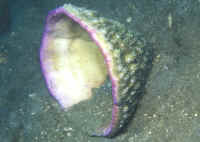
Genus Halomitra Dana 1846. Dome shaped bodies, with tentacular lobes. Thinner walled than genus
Sandalolitha, but similar with outward facing corallites.
| Halomitra pileus (Linnaeus 1758). Dome
shaped free-living colonies, no axial furrow, corallites get larger toward the
edge, and their centers are typically white. Maldives images at right, N. Sulawesi below. Grows to
about "helmet size". |
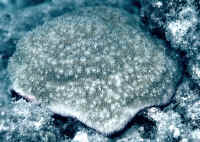 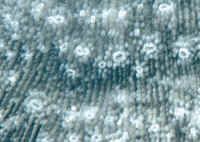
|
Bigger PIX:
The images in this table are
linked to large (desktop size) copies. Click on "framed"
images to go to the larger size. |
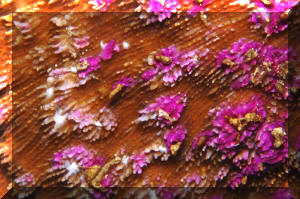
%20MD.JPG)
%20MD.JPG)
 |
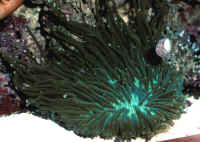
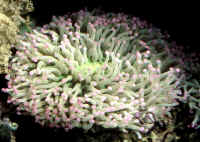
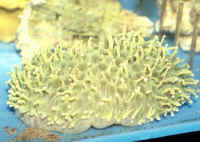
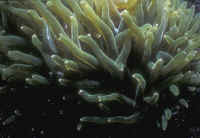
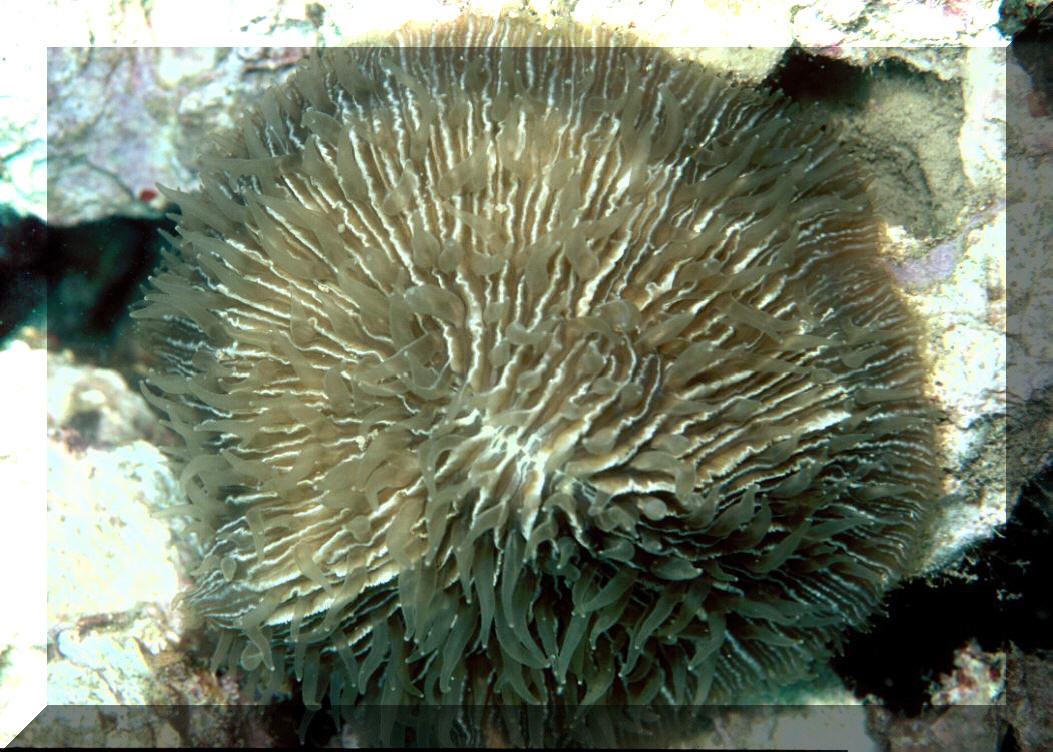
Genus Heliofungia Wells 1966. One species. Flat, free-living,
with large lobed teeth. Unusual for its tentacles looking like a giant
anemones, or Euphyllia, being out most all the time day and night (in the wild most
Fungiids are closed up during light hours).
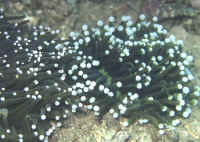
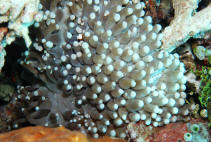
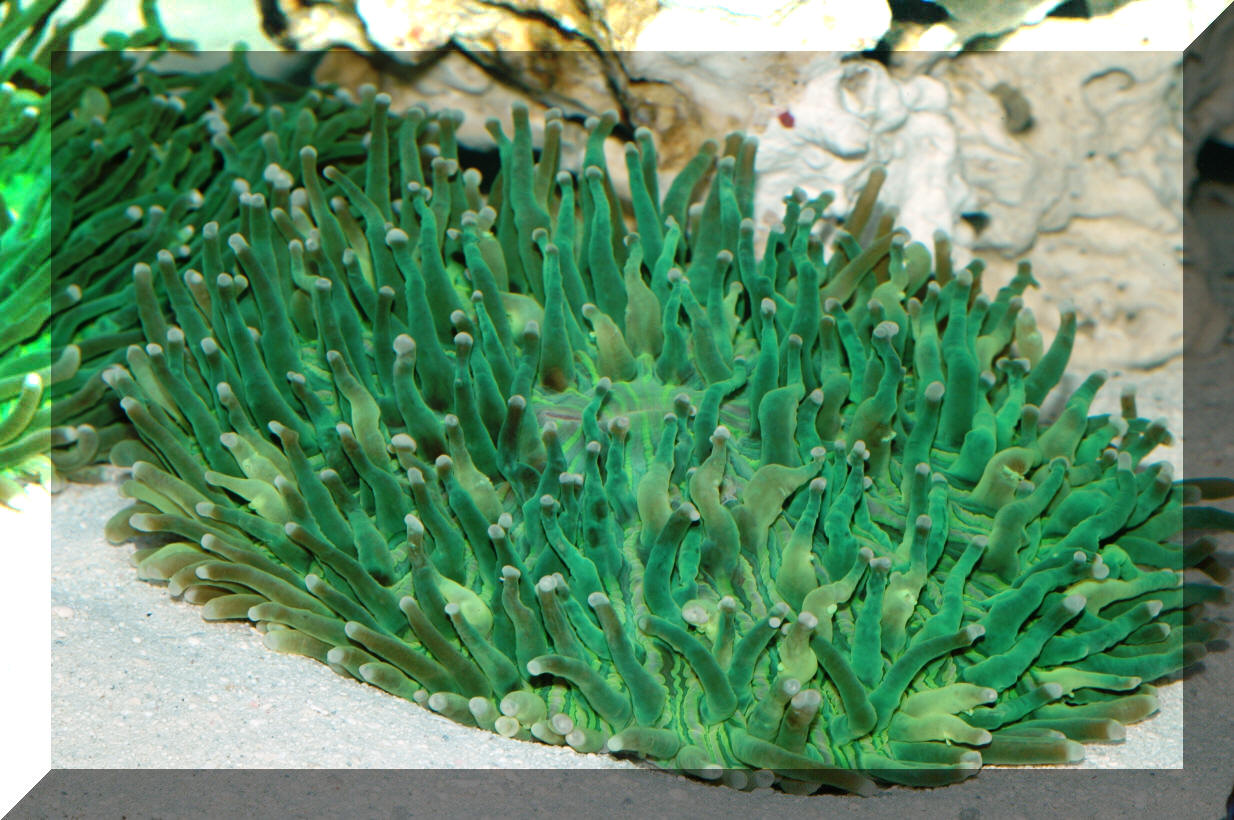
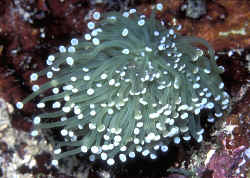
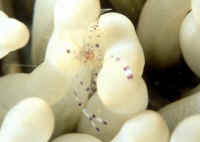
| Heliofungia actiniformis (Quoy & Gaimard
1833). Vying for single largest polyp amongst corals. Colors of
tentacles from off-white to brown, blue, gray... with pink or white
tips. Maldives specimen at right and an image of a symbiotic
Periclimenes holthuisi. First row below aquarium images. N.
Sulawesi pix second row. The last very stressed. |
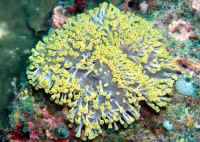 
|
Bigger PIX:
The images in this table are linked to large (desktop size) copies.
Click on "framed" images to go to the larger size. |
%20MD.JPG)
%20MD.JPG)
.JPG)
%20MD.JPG)
%20MD.JPG)
 |
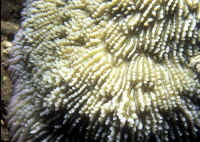
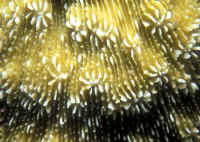
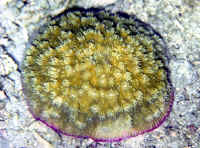
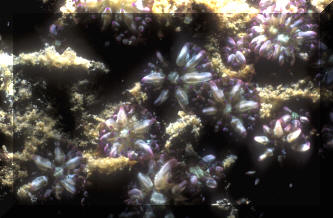
Heliofungia fralinae
Gittenberger, Reijnen and Hoeksema (2011) /COTW:
Characters: Polyps
are circular. Septa are in two distinct orders, those of the first order
being very exsert, straight and thin. All septa have fine teeth.
Tentacles, which are sometimes bifurcated, are commonly extended during
the day.
Colour: Usually
olive-green with tiny but conspicuous violet tentacle tips.
Similar
Species: The exsert alternating septa with fine
teeth are distinctive.
Habitat: Reef
slopes and lagoons.
Abundance: Uncommon.
Taxonomic
Note: Called Heliofungia
fralinae by Gittenberger,
Reijnen and Hoeksema (2011) from molecular data, but
this species has little in common with Heliofungia
actiniformis. Heliofungia is
distinctively monospecific.
|
|
Bigger PIX:
The images in this table are linked
to large (desktop size) copies. Click on "framed" images
to go to the larger size. |
|
|
To: Part 1, Pt. 3
|
|