|
Related FAQs:
Stinging-celled Animals,
Cnidarians 2,
Cnidarians 3,
Cnidarian Identification,
Cnidarian IDs 2,
Cnidarian IDs 3,
Cnidarian IDs 4,
Cnidarians ID 5,
Cnidarians ID 6,
Cnidarian ID 7,
Cnidarian ID 8,
Cnidarian ID 9,
Cnidarian ID 10:
Cnidarian Behavior,
Cnidarian Compatibility,
Cnidarian Compatibility 3,
Cnidarian Compatibility 4,
Cnidarian Compatibility 5,
Cnidarian Selection,
Cnidarian Systems,
Cnidarian Feeding,
Cnidarian Disease,
Cnidarian Reproduction,
Related Articles:
Coral Compatibility: On Reducing Captive Negative Interactions
Cnidarians by Bob Fenner, 900-1000 Words on Live
Corals,
Hydrozoans
(Fire Coral,
Stylasterina,
Jellies that are Hydrozoans), Coral/False Anemones (aka Mushrooms), Zoanthids, Anemones,
Tube Anemones,
Blue & Pipe Organ Corals,
Sea Fans,
Soft Corals,
True or Stony Corals,
Marine Invertebrates,
Acclimating Symbiotic Reef Invertebrates to Captive Lighting,
Water Flow, How Much is Enough
Cnidarian Compatibility: On Reducing Negative Cnidarian Interactions, Part 1
Parts:
2,
3,
4,
5,
|
|
|
Bob Fenner
|
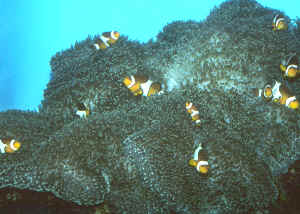
Stichodactyla gigantea
|
New eBook on Amazon: Available
here
Livestocking Pico, Nano, Mini-Reefs; Small Marine Aquariums
Successfully discovering, determining, picking out the best species,
specimens for under 40 gallon saltwater systems.
Book 1: Principles, Algae, Invertebrates
by Robert (Bob) Fenner |
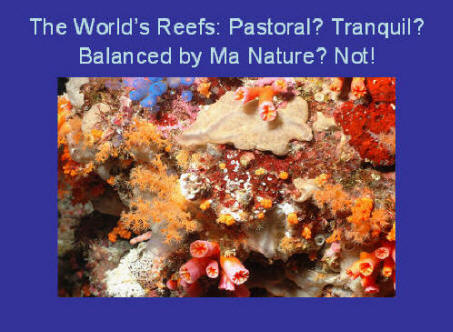
Too many people envision the reefs of the world to
be some aquatic equivalent of "Bambi crossing a meadow" with
some sort of miraculous "balance" amongst the life that
occurs there. This is a dangerous precept for aquarists, as these areas
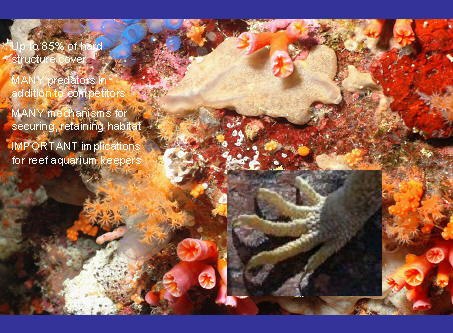
are veritable battle zones with the life competing for space, food,
mates... at a "tooth and claw" level. Most all benthic life
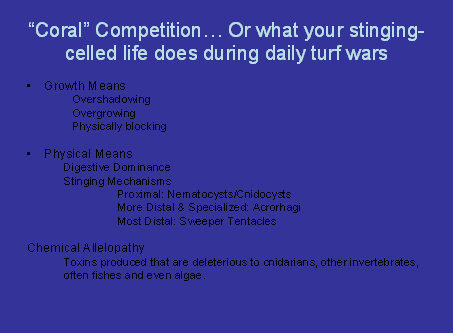
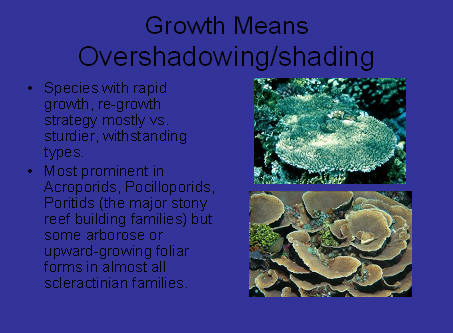
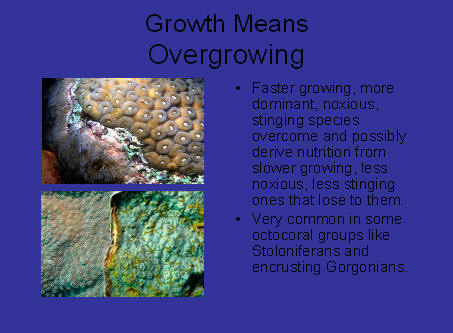
we keep continues with this behavior in captivity. Overgrowing,
shading, poisoning, stinging, eating its neighbors... Sometimes at
great distances. Herein will be my statements re approaches to
alleviate the major thrusts of this issue with stinging-celled life...
All out competition is an omnipresent situation in captive reefs.
Proper set-up... Starting with smaller specimens, placing the less
noxious to more in order, careful maintenance... and observation are
all useful tools here.
|
|