|
Related FAQs:
Stinging-celled Animals,
Cnidarians 2,
Cnidarians 3,
Cnidarian Identification,
Cnidarian IDs 2,
Cnidarian IDs 3,
Cnidarian IDs 4,
Cnidarians ID 5,
Cnidarians ID 6,
Cnidarian ID 7,
Cnidarian ID 8,
Cnidarian ID 9,
Cnidarian ID 10, &
Cnidarian Behavior,
Cnidarian Compatibility,
Cnidarian Compatibility 3,
Cnidarian Compatibility 4,
Cnidarian Compatibility 5,
Cnidarian Selection,
Cnidarian Systems,
Cnidarian Feeding,
Cnidarian Disease,
Cnidarian Reproduction,
Related Articles: Coral
Compatibility: On Reducing Captive Negative Interactions
Cnidarians by
Bob Fenner, 900-1000 Words on Live
Corals, Hydrozoans
(Fire
Coral, Stylasterina, Jellies that are Hydrozoans), Coral/False Anemones (aka Mushrooms), Zoanthids, Anemones,
Tube Anemones, Blue & Pipe Organ Corals, Sea Fans, Soft Corals,
True or Stony Corals, Marine Invertebrates, Acclimating Symbiotic Reef
Invertebrates to Captive Lighting, Water Flow, How Much
is Enough,
Cnidarian Compatibility: On
Reducing Negative Cnidarian Interactions, Part 2
Parts: 1,
3, 4, 5,
|

|
|
By Bob Fenner
|
Sting city!
|
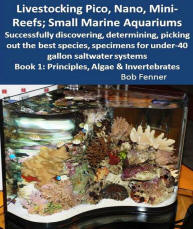
New eBook on Amazon: Available
here
Livestocking Pico, Nano, Mini-Reefs; Small Marine Aquariums
Successfully discovering, determining, picking out the best species,
specimens for under 40 gallon saltwater systems.
Book 1: Principles, Algae, Invertebrates
by Robert (Bob) Fenner |
| |
 |
| |
 |
| |
 |
| |
 |
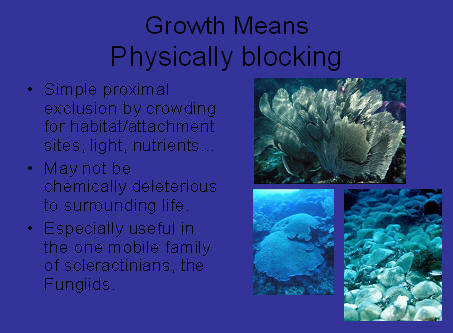
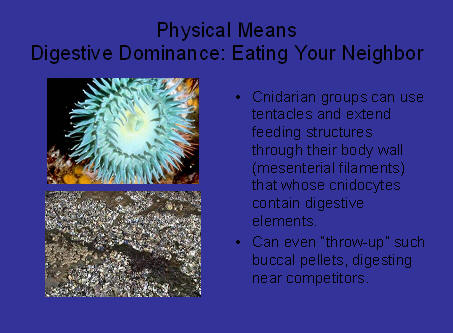
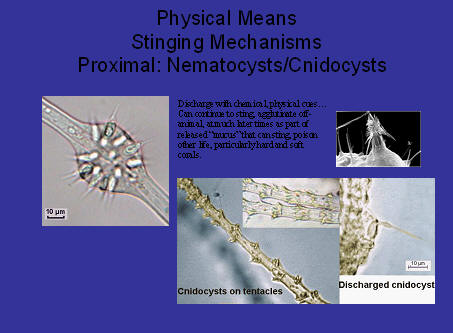
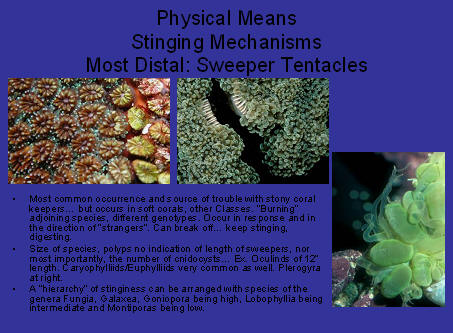
| Most common occurrence and source of
trouble with stony coral keepers but occurs in soft corals, other Classes.
Burning adjoining species, different genotypes. Occur in response and in the
direction of strangers. Can break off keep stinging, digesting. Size of
species, polyps no indication of length of sweepers, nor most importantly,
the number of cnidocysts Ex. Oculinds of 12 length.
Caryophylliids/Euphylliids very common as well. Plerogyra at right. A
hierarchy of stinginess can be arranged with species of the genera Fungia,
Galaxea, Goniopora being high, Lobophyllia being intermediate and Montiporas
being low.> |
 |
|
|

