|
Related FAQs: Stinging-celled Animals, Cnidarians 2, Cnidarians 3, Cnidarian Identification,
Cnidarian IDs 2, Cnidarian IDs 3, Cnidarian IDs 4, Cnidarians ID 5, Cnidarians ID 6, Cnidarian ID 7, Cnidarian ID 8, Cnidarian ID 9, Cnidarian ID 10, & Cnidarian
Behavior, Cnidarian Compatibility,
Cnidarian Compatibility 3, Cnidarian Compatibility 4, Cnidarian Compatibility 5, Cnidarian Selection,
Cnidarian Systems, Cnidarian Feeding, Cnidarian Disease, Cnidarian Reproduction,
Related Articles: Coral
Compatibility: On Reducing Captive Negative Interactions
Cnidarians by
Bob Fenner, 900-1000 Words on Live
Corals, Hydrozoans (Fire
Coral, Stylasterina, Jellies that are Hydrozoans), Coral/False Anemones (aka Mushrooms), Zoanthids, Anemones,
Tube Anemones, Blue & Pipe Organ Corals, Sea Fans, Soft Corals,
True or Stony Corals, Marine Invertebrates, Acclimating Symbiotic Reef
Invertebrates to Captive Lighting, Water Flow, How Much is Enough,
Cnidarian Compatibility: On
Reducing Negative Cnidarian Interactions, Part 3
Parts: 1,
2, 4, 5,
|
|
|
By Bob Fenner
|
|
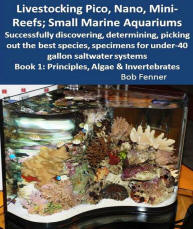
New eBook on Amazon: Available
here
Livestocking Pico, Nano, Mini-Reefs; Small Marine Aquariums
Successfully discovering, determining, picking out the best species,
specimens for under 40 gallon saltwater systems.
Book 1: Principles, Algae, Invertebrates
by Robert (Bob) Fenner |
 |
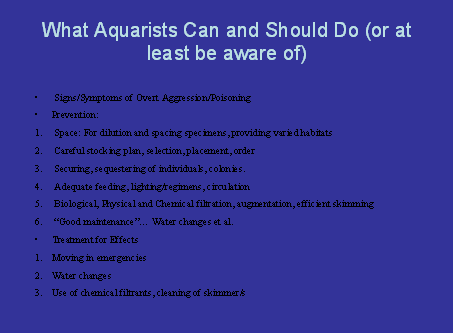 |
| > Signs/Symptoms of Overt
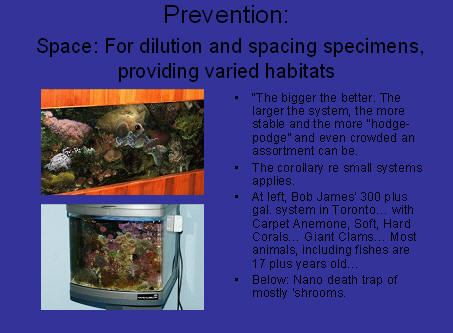
Aggression/Poisoning Prevention: 1. Space: For dilution and
spacing specimens, providing varied habitats 2. Careful
stocking plan, selection, placement, order 3. Securing,
sequestering of individuals, colonies. 4. Adequate feeding,
lighting/regimens, circulation 5. Biological, Physical and
Chemical filtration, augmentation, efficient skimming 6. Good
maintenance Water changes et al. Treatment for Effects 1.Moving in
emergencies 2.Water changes 3.Use of chemical filtrants, cleaning
of skimmer/s |
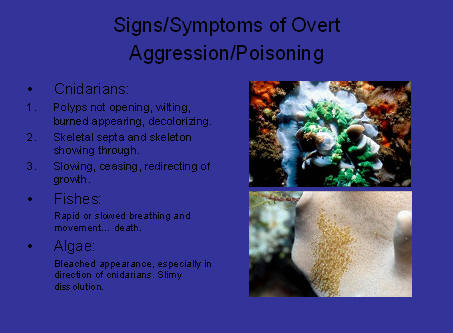 |
| >Cnidarians: 1.Polyps not opening, wilting,
burned appearing, decolorizing. 2.Skeletal septa and skeleton
showing through. 3.Slowing, ceasing, redirecting of growth. Fishes:
Rapid or slowed breathing and movement death. Algae: Bleached
appearance, especially in direction of cnidarians. Slimy
dissolution. |
|
|
|
|
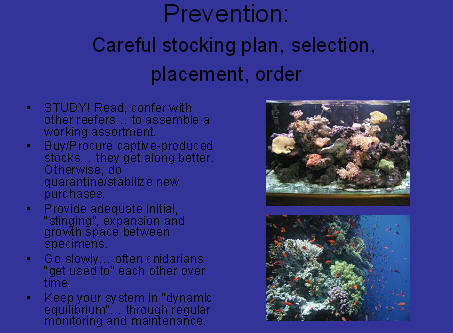
| >STUDY! Read, confer with other reefers to
assemble a working assortment. Buy/Procure captive-produced stocks
they get along better. Otherwise, do quarantine/stabilize new
purchases. Provide adequate initial, stinging, expansion and growth
space between specimens. Go slowly often cnidarians get used to
each other over time. Keep your system in dynamic equilibrium
through regular monitoring and maintenance. |
|
|

