|
|
| Home | Marine Aquariums |
Freshwater Aquariums |
Planted Aquariums |
Brackish Systems |
Ponds,
lakes & fountains |
Turtles & Amphibians |
Aquatic Business |
Aquatic Science |
Ask the WWM Crew a Question |
| Please visit our Sponsors | ||||
|
Restarting refugium 5/14/18 Old Refugium New Tank 3/5/17
refugium (substrate) change?? Reading? Not yet; a whole bunch of Qs
2/5/16
Copepods Living Under Water Surface Film (in sump/fuge)
11/21/14 Refugium cleaner – 07/27/12 Refugium and Sump Cleaning 11/19/11 Refugium help, substrate choices/choosing,
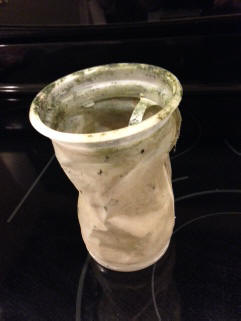
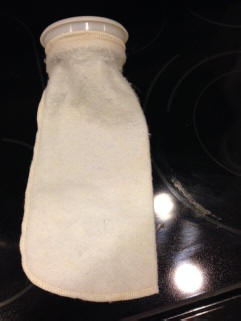
socks 8/31/10 Source water for Refugiums 9/30/09 Re Source water for Refugiums 9/30/09 Caulerpas & Copper? Which is better for a holding
system. 7/1/2009 Re: Caulerpas & Copper? Which is better for a holding
system. 7/2/2009 Old/New Refugium 9/8/08 Hello, <Adam> I have a question regarding setting up a new fuge. A month or so ago I lost the measuring Pipette for my KH test. I guessed at the amount being 1/2 a mL and we will not discuss what happened slowly unnoticed. I have corrected the issue now but not without an outbreak of Cyano in my refugium. I had a small (approx. 7 gal, minus the 4 inches of sand) fuge connected to my sump, it housed Gracilaria as well as blue Ochtodes. With the growing Ochtodes and the lack of flow (nothing other than the Maxi jet 600 that fed the fuge) coupled with the alkalinity slowing dropping soon my fuge was covered in Cyano. I have disconnected my Fuge from the system but have added a power head and been doing SMALL water changes. My question is that I have decided to use a 29 gallon tank as my fuge, have a maxi jet 1200 feed it from the main tank and have a J tube overflow feed it to the sump. (the J tube will have a aqua lifter pump connected to it so that it does not loose suction as this is a temporary (short term... less than 6 months) solution while I am in the process of installing a 375 gallon display). <If at all possible do use two of these J tubes, as with any other overflow, for redundancy.> Anywho.. I have tried to keep the fauna in the display alive (plankton, mysis, pods, worms etc. hoping to save some of the Gracilaria,) how should I go about adding these to the 29 gallon once it is up and running without spreading more of the Cyano? <If the systems are linked the Cyanobacteria will spread with fueling factors in the water. http://www.wetwebmedia.com/bluegralgae.htm > I installed a baffle in the 29 gal so that I could use about 1/3 of it as a mud filter and then have about 24" of the length of the tank used for a 5" DSB. Is this something that would be beneficial or a nuisance? <It can work fine.> Also Should I let the 29 gallon cycle before connecting into the system? <I would set it up and run it connected. The display will seed the 29, meanwhile the extra volume of the 29 will certainly not hurt.> Currently I have a 120 gallon reef with around 150 lbs of live rock, a 50 gallon sump, running Chemi Pure elite for chemical filtration. Calcium is a little low at 330 ppm ( I am in the process of slowly bringing this up, and it has proven very difficult given the amount of Monti/Acro/Clams in the tank, I figured the fresh 30 gallons I have mixed up will help bolster this as well as a water change shortly after), Alk is 160ppm, phosphates 0, nitrate and nitrite 0. Thanks,... again... Adam <Welcome, do please run all future correspondence through a simple spell check before sending. Scott V.> Changing Refugium 7/5/08 Hey guys. <Hey there Shane.> Had a quick question in regards to changing refugiums. Have had a squiz in FAQs for a similar question but couldn't find one. We currently have a 120L refugium set up with a 10cm sand bed and Caulerpa and it is set up under the main tank. Our main tank is a 640L fish and coral tank with about 40kg of live rock. We wish to upgrade our refugium to a 200L tank with deep sand bed and Chaetomorpha (when we can find some) and add some more live rock into the refugium. System has been running for 2.5 months after cycling for 1 month. Ammonia and Nitrites consistently at 0 and am trying to fashion an effective refugium to export nitrates and culture copepods and the like (bigger is better so I've read :). <Definitely is with a refugium.> My question is in regards to the change over. Is it possible for us to simply set the new refugium up with the sand and live rock, disconnect the old one and plug in the new one all in one afternoon? <Yes, most definitely.> As stated the refugium is under the main tank and we don't have the space to have them both running at the same time while the new one cycles. I'm hoping the live rock in the main tank will be sufficient to cycle ammonia and nitrites and we'll just up the frequency of the water changes (presently about 20% fortnightly) to combat a predicted rise in nitrates in the intermediate period while the new refugium establishes. <Unless your tank is grossly overstocked it will be sufficient.> Furthermore my understanding of the sand bed filtration method is that the bacteria in the sand are anaerobic and we can't just simply scoop out the sand in the current refugium and put it into the new one to seed the new sand. I assume that the bacteria would die and cause all kinds of spikes and O2 shortages. A point in the right direction would be much appreciated :) and I apologize if there is a posting I have missed that answers the question :/ <I would just scoop out the top few inches/cm and put it in a bucket. Then, rinse the sand that remains, place it in the new refugium, placing the sand in the bucket on top. I am frugal/cheap, no need to replace the sand (although you will need to add more to maintain the depth).> Love your work, you guys rock! <Geez, thank you!> Cheers from the land down under. Shane <Happy reefing from torching California, Scott V.> Re: Changing Refugium 7/6/08 Hey Scott. <Shane!> Thanks for the help, music to my ears :) we'll make the change over with your advice as soon as we get the glass cut. <Great!> Thanks a bunch for the fast response. <Very welcome.> Have a good one mate. Shane <You too, have fun, Scott V.> New tank, Refugium Setup 4/26/08 Hi! Appreciate all of the info and all of the responses I have gotten from you guys already. Thanks a bunch! <You're welcome, happy to assist.> Anywho, I am cycling my 3rd tank in a little over a year. <Wow, a fellow addict!> I have two set up now, one being the 30, and the other that I just got done cycling about 2 weeks ago that is a 54 corner. I plan on moving everything into the 54. I don't have a skimmer on the 54 yet, its still on the 30 right now, but I do have a CPR hang on tank refugium. What is really weird, is that I am only getting the brown algae in the refugium. <This is common, usually due to lack water flow or the lighting in the refugium being more conducive to the growth.> The main tank looks fantastic, just a little bit of the brown on the LR and LS, but not nearly as much as in the refugium. Is it ok like that for now, or should I be worried? <Nothing to worry about. Most tanks go through this phase, do take step towards controlling the nutrients that fuel this if you are not already.> Also, how much good do you think 20 pounds of LS, 4 pounds of LR and some spaghetti macro algae will do to control nitrates? <That is not much sand, but should be deep enough (at least 3', preferably 4'+) in the hang on refugium to achieve some nitrate reduction.> Thanks once again! <Welcome, have fun, Scott V.> Refugium algae bloom 3-22-08 Hi Crew, <Mike here> My refugium setup has been running for less then month and I have already seen a lot of positive changes. <Nice> Decreasing nitrates being one of them! Pods multiplied nicely and the Chaetomorpha is growing. I have about a dozen Nassarius snails now. <In the 'fuge?> My question is about an algae bloom. There is green algae growing all over the top of my refugium's DSB (none in main display). It looks like the algae and the slim is preventing the gas bubbles coming up form the sand to escape. Should I get an organism(s) that will consume the slime algae? Any other suggestions? <Sounds like lack of water movement/sand sifting. Nassarius spp. snails will stir the top layer of sand fairly effectively, as well some brittle star species. Take care of these issues and the slime algae should disappear> Thank you once again, Peter <M. Maddox> Replacing Old Sand Bed in Refugium 12/27/07 Hello, <Hi> I am planning on changing out my old sand bed (5yrs) for a new one and have a concern that this would cause my tank to start a cycle. <Yes most likely, at least to some degree.> I have a 180g SPS tank with a 40g refugium and a 20g sump, there is 250 pounds of live rock in display and another 50 in the refugium. Do you think taking the refugium offline and changing the sand (about 60 pounds) then putting it back inline would cause harm to my inhabitants. <May see a ammonia/nitrite spike as the bacteria inhabiting the old sand bed is removed.> As far as equipment I run a Deltec 851 skimmer , Deltec reactor with Rowaphos and a Deltec calcium reactor. I just want to make sure I do not crash the tank. <Unlikely, I would guess the existing bacterial population will quickly increase to make up for the removed sand bed. Within a few days I would guess you will be back to normal.> Thanks Mike Winston <Welcome> <Chris> Re: Replacing Old Sand Bed in Refugium 12/27/07 Thanks, would it help to add the top 2 inches of my existing bed to the new sand? <Yes in that it would add back some bacteria and micro-fauna, but you will probably still see a small cycle.> <Chris>
High Nitrates with a New Sump/Refugium 10/17/07 Folks: <Hello Tim> I hope that this is a new question - I tried to search your good Q&A before submitting a new question. I have had a 75 gallon FOWLR marine aquarium for about 18 months now. I have been foolishly maintaining this tank with only mechanical filtration and a small HOT refugium with a DSB and macroalgae. As you could expect, nitrates have been a consistent problem. Two weeks ago, I finally installed a large sump and refugium under my tank. I filled the bottom of the sump with mineral mud and have a large, football sized mass of Chaetomorpha and red Gracilaria macroalgae. The sump is well lit with a clip-on "plant light" on a flexible neck that I can point right at the macroalgae. On the side of the sump with my powerhead and protein skimmer, I have ten black mangroves at various stages of maturity. I have not done any water changes since kicking off the new sump because I wanted to be able to tell if the sump was lowering nitrates. After two weeks, I am seeing no improvement! My nitrates are still ridiculously high - at least 100 ppm. Is it time to search for problems? How long will it take for this sump to begin to reduce nitrates? Thanks, Tim <My first recommendation is to continue with water changes and stay on a maintenance schedule. The sand bed should be about 4" deep or greater. The flow should be less that 2000gph and closer to 1500gph. Too swift of a flow impedes the reduction of nitrate. As far as the time frame...I would judge progress after 60 days. The nitrates are removed by obligatory heterotrophic bacteria and their colonies take time to be established. Other chemical processes also take place and those functions also take some time to reach equilibrium. I would also strongly recommend the use of Activated Carbon and an Iron Based Phosphate Resin like Warner Marine's phoSar. This will help maintain water quality by removing additional dissolved organics (DOC's). If you are not using a protein skimmer, I would suggest the use of one rated for a 200g system. A protein skimmer will also remove additional DOC's. Hope this helps-Rich aka Mr. Firemouth> Refugium...Disconnecting From The Main Display 9/27/07 Hi Guys. <Hi Ghulam, Mich here.> Hope all is well. <Hanging in there.> My question is regarding my DIY refugium. <OK.> I would like to separate it from my main system which is a reef system because cash is a bit tight these days for me as I have been spending it on the house, and I would like to spend less on salt & chemicals. <OK. Though I do question the functionality of doing this.> Anyway, back to my main question...would my algae in the refugium stay alive if I don't do any water changes for months & since its not getting the usual nutrients from the main system? <Yes it should stay alive if there is an appropriate light source, which presumable you already have. The algae should be fine without water changes as well.> I hope you understand what I mean. <Yes. I do understand what you mean, and you should be fine here. Though I'm not sure that disconnecting it from the main display really makes sense.> Thanks in advance. <Welcome! Mich> Ghulam Refugium Confusion...Should It Be Fed?...Should It Receive Water Directly From The Display?...Yes To All! -- 08/20/07 Good evening Crew. <<Hello Andy>> For the 359th time, I have a couple questions. <<Okey-dokey>> I've been surfing WWM but no luck. I have a 30g fuge that is fed from my sump (after bio balls) via a MaxiJet 1200. Head is probably 30" to fuge. Return is via 1" bulkhead that feeds back to my sump near the main pump return. My fuge has 6lbs live rock, 4-6" DSB and a large tuft of Chaeto. There are lots of worms, copepods and amphipods and tiny brittle stars. <<Sounds good!>> I know that at least some of the pods are getting into my display because I see them in my sump. <<yes>> Anyway . . . 1. Should I be "feeding" my fuge? <<I believe it to be beneficial, yes. The 'critters' will multiply/maintain higher population densities if fed>> I haven't found much on maintaining pods, and I have to believe that they must eat something (phytoplankton?). <<Some are quite the carnivores...maybe even eating their young if not well fed>> Should I be dosing with DTs or something and, if so, how often? <<You can simply add a pinch or two of flake food a couple to three times a week...but I have found that shrimp pellets are quite the 'favorite' among the denizens of my refugium>> 2. I have had my fuge set up for 2 months or so. My Chaeto hasn't grown one bit. It isn't dying either. Just kind of maintaining the status quo. I have 0 nitrates. After reading all these posts about people having to constantly cut back their macro, I feel like an underachiever. Any thoughts? <<Mmm, this may be due to the absence of 'excess' nutrients in the system...and likely a result of feeding 'processed' water to the 'fuge from the sump. You can try increasing the light intensity above the Chaetomorpha to see if this stimulates growth>> Also, it seems WWM advocates feeding the fuge directly from the display. <<'Raw' source water is preferable, yes>> What's the benefit? <<The efficiency of the refugium is increased/the refugium better augments the other filtration when fed directly from the display>> My guess is that the filter media removes dissolved organics that the macro need, but if bio-balls are nitrate producers and macro loves nitrate... <<A valid point, but you state your Chaetomorpha is living, just not growing... providing water to the refugium directly from the display will lessen the burden on the rest of the filtration system while stimulating growth of the Chaetomorpha which will then allow pruning/removal of the absorbed compounds...and will also likely result in increased diversity/populations of refugium biota which too provide benefits to the system...>> I don't want to do this because I'm afraid of flooding, etc. if/when the power does go out, lose siphon, etc. <<Not a problem if plumbed correctly...you made the same considerations/took the same precautions with plumbing your sump, yes?>> How much benefit am I losing if I feed post-bio balls? <<As stated>> Thanks! Andy Bulgin <<Happy to assist. Eric Russell>> Aiptasia ID/Refugium Cycle -- 07/24/07 Good morning Crew. <<Greetings Andy>> I have two questions that I wanted to run by you. <<Okay>> A few months ago, I e-mailed a picture of an anemone that I noticed on a piece of live rock. It was small, so Bob had a hard time identifying it but guessed that it was a "rock anemone". I Googled "rock anemone" but wasn't able to find a picture that looks exactly like the anemone that I have (actually, there are three on the same rock, in close proximity to each other--they are very small. The largest is maybe 1/2" across. I've been carefully watching this piece of rock now for 3 months to make sure that it doesn't start sprouting new anemones, just to be safe. So far, I haven't noticed any multiplication of organisms. <<Okay>> Anyway, today I was Googling "Aiptasia" and found a picture that IS my anemone. <<Oh?>> It's the 5th picture at http://www.petsforum.com/personal/trevor-jones/organismstoavoid.html <http://www.petsforum.com/personal/trevor-jones/organismstoavoid.html> . As you can see, this website claims that my anemone is indeed Aiptasia, and I was wondering if you agree. <<You are in the best position to make that assertion. Aiptasia are VERY common in the hobby. These are definitely an Aiptasia species and if this is what your anemone looks like, well then...>> If so, I'll begin the extermination process. <<Better now than later...>> Most Aiptasia I have seen are cream colored and clear with no striations like the one in this picture and have long, wavy/flimsy looking tentacles--very different than the anemone shown in this picture. <<Differing species>> Second question relates to my refugium. I set it up within the last month. It's 30-gallons with a deep sand bed, a few pieces of live rock and some Chaetomorpha. <<Sounds good>> So far things are going well--it is teaming with Copepods and this morning I noticed several creatures that look like Amphipods scurrying around the sand. <<Very likely>> However, green/brown Diatom algae is starting to cover my sand, and I was wondering whether I should let this algae run its cycle or add some snails or other organisms that won't prey on my pods to clean it up? <<You can do either, though 'I' would not be concerned here and let the 'fuge continue to cycle/increase its bio-diversity (including the diatoms).>> Thanks! Andy <<Happy to assist. EricR>> I had inquired about setting up a sump/refugium in a basement directly below a main tank on the main floor of my house. 7/2/07 My question relates to a response from one of your crew members to an email that I had sent previously. I was hoping to get another's opinion. <Please let me try to clarify my previous response. If that doesn't help, I'm sure someone else here would be happy to give you another perspective.> I had inquired about setting up a sump/refugium in a basement directly below a main tank on the main floor of my house. Since I am in the research stage, and do not have any experience with a sump, I am unsure of how a water change regimen would work with this setup. <There's really no one way to do it. In my last response, I explained why many people with sumps prefer to do water changes from the sump. As for the size and frequency of the water changes, that's going to depend on your tank's needs (depending on bioload, filtration methods used, etc.). However, most would recommend something like at least 30% water changes once a month (or better yet, at least 15% twice a month). To a point, more is usually better.> I don't know if it is performed from the sump, or the main, or both. <Like I tried to explain in my last email, there are pros and cons to doing the change from the sump or the display. Doing the water change from the sump is less likely to cause an inadvertent overflow or dry-out (please see my previous response for an explanation of why this is). Doing water changes from the display has the advantage of being able to "vacuum" the tank as you change the water. So it really just depends on what you personally prefer to do.> Ideally I would like to make all the water and keep all the "stuff" in the basement (ie - out of sight). The response from one of your crew members seemed to say that when performing water changes I would be running up and down the stairs to avoid either an overflow, or pumping the sump dry. <Ok, I apologize for not being more clear. When I was talking about running up and down stairs to avoid overflow/dry-out problems, I was trying to explain why people do water changes from the sump. I didn't necessarily intend this as a reason why you shouldn't put your sump in the basement.> The overall impression from the response was to avoid the basement setup and go with a sump in the stand. Do you agree with that? <I'm sorry, I didn't mean this at all. There are pros and cons of both set-ups. As I mentioned, many people very much enjoy having their sumps in their basements. Theoretically, you should be able to do all the same work with a sump in the basement as with a sump under the tank.> Would I be doing as much work on the main as I would in the sump? I am fortunate to have a house with a basement, a spouse who loves the end results of this hobby and who is willing to let me use whatever space I need in the basement. It seems to me that many of the people posting on WWM would be jealous of this situation! <If you want to put your sump in your basement, then that's what you should do.> Would you please provide your thoughts on basement sumps? Pros/cons in your opinion? <In terms of being able to care for your tank, it really doesn't make much a difference. The pro of having the sump upstairs is the convenience of having everything in one spot. Also, if your "sump" is going to be more like a refugium, sometimes people become quite proud of their refugiums and actually prefer to have them upstairs (almost as an additional display). The pro of having the sump in the basement is, as you've pointed out, having it out of sight and with more room. You also have less noise upstairs if most your equipment is in the basement. Another thing to consider is the temperature of your basement. Most people have basements much colder than the rest of the house. If you tend to have problems keeping your tank cool, this might be another pro for having the sump in the basement. However, if you have trouble keeping your tank warm, then it would be a con for having the sump in the basement. As you're going to find with many things in reef keeping, no one can honestly tell you with certainty which way is always better. The hobby is filled with choices that have equally weighted pros and cons and depend a lot on personal preferences. The choice of putting the sump upstairs or downstairs is one of these choices.> Does Anthony Calfo's Book of Coral Propagation get into setup/plumbing such as this? <I don't know if it specifically talks about the pros/cons of sumps under the tank or in the basement, but it's probably a good book to have anyway. :-) > Thank you for thoughts. For some perspective, I will be upgrading my main tank from a 55 gallon to a 75 gallon, and using the 55 gallon to create the sump/refugium. <Congrats. :-)> Kind regards, Kim <Best, Sara M.> Refugium Mystery Cloud! -- 06/28/07 Hello, <Hi there! Scott F. here today!> My name is Steve and this is my first time e-mailing for help. <Welcome to WWM, Steve!> I have a 75 gallon saltwater tank with a hang on refugium that has been giving me problems for the past month. About 3 weeks ago, I noticed a cloud suspended about a quarter of the was up my refugium. I also noticed a rancid smell coming from the refugium. I did 99% water change in the refugium and added about another inch of live sand to the refugium everything was fine for about a week then the cloud reappeared. Hoping you can give me some ideas on how to correct this and keep it from reappearing again. Thanks in advance, Steve <Well, Steve, without knowing some basic water parameters, I'm kind of taking a wild guess. Cloudiness and foul odor in my experience usually points to just a few things: First, it could be some kind of bacterial bloom. Did any fish or inverts die and go undetected in there? How is the circulation in the refugium? Perhaps the previous layer of substrate had some anaerobic activity that was disturbed and this was the source of the foul smell and cloudiness? If you have some species of macroalgae in there, such as Caulerpa, it could have possibly been a sporulation event (release of cellular material into the water during reproductive cycle). Lots of possibilities here; unfortunately, I couldn't put my finger on one without a lot of detail. My advice is to do some detailed analysis regarding what the conditions were in the refugium before the cloud, and then afterwards. Ask yourself if there was a single event, such as an animal loss, power failure, etc. that could have triggered this. By thinking "backwards", you may very well arrive at the solution. Let us know if we can help any further! Regards, Scott F.>
Heavy Nutrient Issues and Refugium Questions. -- 05/07/07 Greetings, <Jason.> I have a few questions about my refugium. <Okay.> I have a 60 gallon FOWLR with a sand bed ~4 inches deep. I've added on a CPR Refugium to help reduce our nitrate levels which have come down from 80 to 40 over the past 6 months or so since I added the refugium. <Still very high though, I would be supplementing with frequent and large water changes my friend. As well as trying to find out what the source is; to much livestock? Overfeeding? Not enough water changes? Poor source water? A Build up of nutrients or detritus somewhere in the system? Are you using a protein-skimmer?> The refugium itself has about a 3 inch sand bed with some live rock and some Chaetomorpha. So here are my questions: 1. I can't seem to keep the Chaetomorpha anchored. It always seems to float to the top of water and the lights end up baking it. Any ideas? <Well Chaeto does not use hold-fasts it is a tumbling weed. I would not try to anchor it but I would increase the water flow in the fuge to keep the mass tumbling.> Currently i <I> have a couple of live rocks on top of it. <That's not how this 'beast' operates my friend'¦it is meant to be free floating.> 2. I have some brown hair algae that has been pretty persistent in the refugium. <High nutrient levels and poor water flow are a bad combination.> I put some turbo snails in the refugium a while ago and they did a good job on it but one day they all ended up in the outflow tube and the refugium ended up overflowing overnight and shorting out most of the electrical to the entire tank, so i've <I've> been hesitant to put anything back in there (any suggestions?). <I think you need to increase your water-flow, and star on a 'hardcore' water change regime. I wouldn't add any animals to the refugium'¦if there's something in there you don't like remove it manually.> I've added some PhosX pads to the refugium and they may have helped but not tremendously. <Yes this well help the symptoms but not the main issue'¦you need to find the source of your nutrient issues.> 3. My local fish store has told me that once the refugium gets the nitrate levels down to 0-20 we won't need to change the water anymore. Any truth to that? <Not at all my friend, it may decrease the frequency and amount you have to change, but eliminate them'¦hardly.> Lastly and unrelated to refugiums. What are some good choices for a cleanup crew for removing fish waste from the superficial sand layers? Currently we have a bunch of turbo snails and a few (3 or 4) super Tongan Nassarius snails and an emerald crab. We had an electric blue hermit crab that recently kicked the bucket. <Well invertebrate life isn't going to last long in tank with such heavy nutrients, though I am a fan of the Nassarius snails. That is the first and foremost issue here. I also am under the impression that the tank needs more water flow on the whole, if wastes/detritus is settling into the sand; you don't have enough water flow to keep it suspended'¦and maybe your sand is to coarse.> Thank you guys for all of your help, never does a week go by where I don't utilize your website to some extent!! <Thank you and keep reading.> Jason <Adam J.> Refugium Causing Cyanobacteria and Nitrates? 3/28/07 Hi, <Hello Brian> Thanks, as always, for your great site! <Welcome> I have a 75 gallon tank (fish, live rock, 2 clams, 1 anemone, lots of snails & hermit crabs) with a CPR Aquatics AquaFuge Pro underneath. The refugium has a DSB comprised of miracle mud, a cheaper type of generic miracle mud, and some coarse sand/crushed shells. <Mmm, all mixed together? I would NOT do this> About two days after I installed the refugium, I put in a big mat of Chaetomorpha (sp?) algae. I ran the lighting 24/7 <Mmm... this algae is not able to "do" the light reactions of photosynthesis constantly... needs a daily dark phase...> (I believe it's an 18w 10000k). After about a week, the algae started to turn brown, then it started to come apart (small pieces were accumulating in the mesh between the main compartment of the refugium and the sump), then red slime started to grow on the algae, then the red slime spread throughout the refugium, then the algae almost disappeared entirely. Now, the red slime is out of control in the refugium, the algae is almost gone, and the nitrates in the tank are at 40 ppm (they used to be stable under 10 ppm at all times). What's going on? Do I need to add some kind of critters down there to keep the slime under control and to keep the nitrates lower? If so, sand-sifting stars, snails? <Uhh... Please read here re Refugiums: http://wetwebmedia.com/marsetupindex2.htm ... and re-read my comments above. Bob Fenner> Please help. Thanks, Brian Terrible mess!! Refugium Problems 3/22/07 Hi everyone!
<Hello Pam> Now, I know there are a zillion articles on
refugiums, <More than that:)> and I have even emailed you about
this particular problem, BUT, the problem still exists! <Not
good.> I siphoned all the water from my refugium, took out the scum,
sludge and low tide stench goop, removed top two inches of sand, and
started with new plants, Chaetomorpha algae. Not only are the
Chaetomorpha algae turning brown with the same sludge, the entire unit
has become brown with the same conditions as before. it took only one
week for this to start turning bad AGAIN! <One important
question. What are you using for light over the fuge?>
This is a hang on refug. with 5 inches of live sand, and
"MUD'' together. <Would not mix dissimilar products,
grain size, composition, etc. I would redo and stick with
Miracle Mud, about two inches deep will do.> The skimmer is
producing but not to a great degree. <Cleaning the skimmer,
especially the riser tube, will make skimming much more efficient.>
I am also surprised by the lack of flow in the refug. It just seems to
barely break over the built in partitions to flow back into the tank. I
am so frustrated by this. <Refugiums should not have a high water
flow, in your HOB, 100gph should be fine.> It is no easy task to
break down a refugium. It's just a terrible mess.
What's wrong? !! I hope you have the answer!!! <Wish you would
have provided more info, such as water parameters, frequency of water
changes, bio-load, ample supply of critters in the refugium,
etc. Do provide and I may be able to steer you in the right
direction.> thank you! <You're welcome. James
(Salty Dog)> Pam
Re: Refugium Problems 3/25/07 Salty, I feel a bit offended by your statement, "Are you stretching it a bit? (read below) Stretching what? The truth? ??? <Pam, Pam, no need feeling offended, is not what I meant. My statement was based on what appears to be a very healthy tank. Very few people will have algae free tanks. Is why we sometimes employ specific eaters of such. I myself have a little clump of macro here and there, but I feel it adds a splash of color in the system. As long as nutrients are under control, as mine are, you should not have an explosive growth of the algae in question. By "stretching it a bit", I meant that your tank is not as bad as it seems to you. My apologies if you took this wrong.> You also seem to have lost site of my problem, which is the refugium, not the main tank. The main tank is quite healthy. I have abundant macro algae and recent growth of grape Caulerpa. <Did not lose sight of your problem, as I did make a suggestion in one of the earlier queries.> My problem is with the sludge build up in the refugium. Carib Sea did not recommend the 5 inches total sand and MUD. <Didn't think so.> I posed this question weeks ago, to you guys. I asked if 5in of live sand and MUD was too deep. JustinN responded, but did not say it was bad OR good. Instead, he suggested I go with the Chaetomorpha not feather Caulerpa ............. also, losing site of the question!! ?? !! I know you guys are more than likely inundated with email questions. But please don't insult me by insinuating that I am stretching the truth. <Again, no insult intended, in fact I must commend you on the looks of your system. I personally feel that 5 inches of sand bed is too much. Bad things can happen such as what is happening to your ref. Deep sand beds can only work properly if the sand is teeming with critters continually stirring/sifting through the sand. Otherwise it can become a hydrogen sulphide/nitrate factory. The "sludge" you mentioned earlier is indicative of what I am saying to you. James (Salty Dog)> Pam Re: Refugium Problems 3/26/07 Thank you Salty!! <You're welcome. Once this is done, I believe you will find improvement in your refugium.> I was feeling a bit wounded by your statement. Now I understand what you meant. I will syphon a few inches from the refug., for it IS a hydrogen sulphide/nitrate factory, all over again! Best regards! <You're welcome. James (Salty Dog)> Pam Cycling Refugium With BioSpira (But why?) 3/14/07 Hi All, <Hi, "D". GrahamT here.> I have set up a 6 gallon Eclipse tank as a refugium for my 10 gallon nano reef. <I love refugiums... and adding volume for that matter.> I started the cycling about 2 weeks ago using a piece of frozen shrimp to get the ammonia in there (Left it in for 1 week then removed). <Wait. You are cycling a refugium? This doesn't compute. If you are adding more volume in the form of a refugium to one system, and it is destined to contain exactly the same water as the main system, then why would we cycle it separately??? (Or at all)> My LFS usually carries BioSpira but they were out and said it was on order. This past weekend I went back only to find they just placed the order and it would be another 2 weeks... so I ordered BioSpira from Drs. Foster and Smith online Saturday P.M. Product shipped Monday, received the package overnight A.M.; products still cold, well packaged great service by the way). I took a reading on the ammonia, nitrite and nitrates and of course they all top the charts. <Well, of course...> I added some of the BioSpira (the 1 oz is for 30 gallons and this is only 6) with plans to add some more later. (Package clipped tightly closed and replaced in fridge.) Then later add some Right Now! by HDLtd which I have found really helps in knocking down the nitrates. <Not sure how that could be. Isn't "Right Now!" a live bacteria (like Bio-Spira)? It doesn't claim to contain any anoxic or anaerobic bacteria capable of reducing Nitrates.> But while doing a search on the WWM site for BioSpira I ran across the sentence...""They, and the microbes in the BioSpira were poisoned, hemolyzed in the fishes' case, by the ammonia..."" So I became confused as to the use of BioSpira and I'm quite possibly misunderstanding the statement. <Nah, that's just Bob trying to scare you into cycling a tank properly. ;)> <<You are perceptive. RMF>> But it has me thinking that by adding BioSpira to a tank high in ammonia I'm killing the beneficial microbes and in fact wasting my time adding the product. Please clarify this for me. If I need to do a water change to dilute the high readings somewhat before adding more BioSpira, please let me know. <This is news to me. Bob has just earned a forward from me. My research on hemolization tells me it can apply to this situation, but is rather vague specifically with the microbial "form". Hemolyzed red blood cells are ruptured, not sure how ammonia does this, but I am not a bio-chemist. This one is for Bob.><<Way too much ammonia/ammonium presence will kill beneficial microbes... cause hemolysis (in animals with RBC's natch). RMF>> I was running a carbon filter. I removed the carbon bag before adding the BioSpira. <Not necessary, will not filter out anything that Bio-Spira metabolizes, and can actually provide a ton of surface area for the bacteria to live on.> (Whisper inside filter because of the low water level... below bulkhead and left the bio-filter in place) The refugium has a 4-1/2" sand bed and that is all that's in the refugium at this time. I know I need to have all parameters in this tank identical to my main tank before even considering tying them together. <The simplest way to achieve this would be to fill it with water from the display and some substrate, immediately tying them together.> I have some extra live rock from rearranging my main tank which I plan to add after the ammonia, nitrite & nitrate levels are to 0. Then I'll add Chaeto. Should I put a cleanup crew in my refugium? Move a couple snails and/or a hermit crab; was thinking to order some brittle stars to put in there. <Not necessary, doesn't hurt unless you worry about competition from the hermits for pods.> The live rock has bristle worms and gammarus shrimp already. Love the gammarus shrimp... highly entertaining and excellent scavengers. Afterwards, my thoughts are during my main tank water changes to remove equal water from refugium and replace it with the removed water from the main tank. Should I do this for a week or two before tying them together? <Would do it once and have done with it altogether. I think it's good that you worry about the condition of the 'fuge, but I think this could be going faster and smoother if you just tie-in to the main display and let everything equalize. The system wouldn't spike if you had started this way, but now you don't want to introduce the elevated levels of ammonia, nitrite and nitrate into your main system. Live and learn. I would be more concerned doing it this way that your 'fuge is chemically different in many ways from the display, and when you finally do "join" them, there will be a period of accelerated acclimation. That said, I think you'll still be fine, because you have a plan and you know what to look for. Good luck! -GrahamT> Thanks again. Regards, Debbie P. Water parameters, refugium maint., algal use there 1/31/07 Dear crew, <Glen> I have an interesting observation I'd like to share. Also any comments on the following refugium setup is greatly appreciated. I have recently set up a refugium for my 55 gal reef for the purposes of growing 'pods for food & macros for nutrient export. Since it is not a plumbed tank, I decided to display the refugium as well. <I would do this as well... much to see, share> The setup: I placed a 20 gal high to one side of the display tank and installed a Rio Aqua 200 pump in the main tank and two siphon tubes between both tanks. <Two are better than one for sure...> The Rio pumps about 120 GPH into the refugium and the siphon tubes allow flow back to the main tank. The top of the 20 gal is about 2" above the top of the 55 gal. When the water level is equilibrated between the two tanks, this leaves me with about 3.5 gallons of buffer in the refugium in case the siphon tubes fail. <Not a pleasant thought, eh?> My pump will hopefully run dry first ;-) Also installed a ZooMed oscillating powerhead (160 GPH), heater and Whisper power filter I had laying around doing nothing. After installing the "hardware", the "software" was set up and allowed to cycle as an isolated system: 15 gallons water from the display tank, 2" substrate (equal mix of sand, crushed coral and aragonite reef base), 15 lbs live rock. The observation: At the end of 3 weeks, my refugium cycle was over and all water parameters were looking good: pH=8.4, NH4=0, NO2=0, NO3<10ppm, Pi=0, SG=1.024. Same as the display tank. Time to install the siphon tubes and fire up the pump! Once I saw that the siphon was working, I thought to myself " Maybe you should have slowly exchanged water between the two - a quart at a time. Just like acclimating fish." By the time I pulled the plug on the pump it had only been running for about 30 seconds and all corals in my tank had retracted their polyps, including my Rhodactis. That little bugger never hides! Even though all of my water parameters were OK and matched my main tank, <Allow me to add the stipulation: of things tested...> they still detected something was awry. Something I couldn't test for. <Ah, yes> I have never even seen this on a water change either. In the end all inhabitants were back to normal by morning, but it was an unnecessary shock to both them and me. The questions: The only macros I can only find at the LFS places near me is Caulerpa. <Mmm, do a bit more looking about... perhaps "Craig's List" or such, ask your LFS or just hang around there... to chat with other aquarists re what they have, might give you a clipping of... If all else fails, consider buying online... Inland Aquatics, IPSF...> Right now it is illuminated in a semi-RDP style - 12 hrs of 15W actinic & 12 hrs 14W actinic + 15W daylight. I will be upgrading the lighting soon & have the choices of the following total PC wattages: 36,65 & 72 or 130W. What would you suggest to support macros and coralline algae? <Posted...> Is the substrate OK for 'pod growth AND the macros? <Is fine> Is carbon filtration necessary on the refugium? <Mmm, no... can be used in a punctuated fashion... perhaps a few ounces added (in a re-usable Dacron bag) in your hang on filter once a month... This would/does have value> The 'fuge will be fed rarely, if at all, and I have carbon on the main tank. <Oh, then this will/would be enough> However, I do have Caulerpa in the 'fuge and Sarcophyton, Xenia and Rhodactis in the main tank. Chemical warfare has not been apparent between the corals, but Caulerpa also plays this game too? <Oh yes... see WWM re> Keep up the good work. You've got me hooked! -Glen <Heeeee! Time to reel you in and land you on the beach of life! Thanks for writing, sharing Glen. Bob Fenner> Cyano In My Refugium 01/15/07 I have a 58 gallon reef and just added a DIY 20 gallon refugium with Chaeto and a 4.5''DSB and a live rock with dividing walls and my light was a 5100k 19 watt (I got that idea Melev's reef). Now I'm trying a 6400k 20 watt that I put in today. The Chaeto doesn't seem to be growing and the hair algae stopped growing (That's always a good thing'¦hair algae, that is ) I had a good time with the hair algae. I will miss scrubbing the rocks on the weekends. <Ah, yes'¦always a fun time) Now I have something new to do on the weekends. I now have Cyano bacteria in my refugium. I'm guessing it is either the lighting and or cycling? (My guess is lighting) My tank is 2+ years and my refugium is under three months old. It is on top of the main tank using a Maxi Jet 900 with a valve to control the flow and a Maxi Jet 1200 for the circulation. Is that too much? (Could be'¦flow needs to be slow enough for the macro to uptake the nutrients) I don't know before the MJ 1200 I could see all kinds of pods and I had to get live rock rubble to cover the sand to keep from having a sand storm in the refugium and the Cyanobacteria is on the sides and bottom covering the rubble but not the Chaeto it is spinning around. Thanks - Bill (I just had a discussion with Bob and a fellow reefer about this. Changing lights is a direct way of stunting photosynthesis in algae (or in essence'¦coral). Although it may seem that the light change directly is feeding the Cyano, it is more likely that the disruption of photosynthesis has caused the algae (coral, too) to stop using CO2 (photosynthesis) and in return the excess CO2 is fueling your Cyano. Try switching back the lights and slowing down the flow through your refugium'¦that should take care of the problem. Cheers! Dr. J) Re: How do I clean the foam block in my sump with out killing the good stuff that's living in it ? 12/21/06 Thanks for your quick response! how do you siphon your sump as it is on the floor level, do you know what I mean? do you have to use a pump ? Thanks again. Nemo 1 <A small pump can be utilized here, with a length of properly sized aquarium tubing attached if a standard gravel siphon is not possible. -JustinN> White strand bacteria inside tank 9/15/06 Hello all, <Leslie> This is the first time I have written and read a zillion of your prior posts which are and have been my answers to all my questions for the last 4 years. Thanks... However, I just moved to Austin <A great Texas town> and brought my 1 1/2 year 29 gal sea horse tank along for the move. I read about moving everything, etc and followed directions etc.. even got into spousal disputes for stopping ever 30 min to check my water temps for the horses and sand and macro/fuge... anyways... arrived without any losses. <Good> Upon setting up the system, I had 30% tank water and new water set aside, set everything up all looked good. Then.... 1 week after,,, fuge sand died, turned black, and a white film/white flowing strands of this stuff is all over the walls and began appearing in the fuge, tank, canister filter/ hoses,... <Mmm, yes... highly likely residual decomposition event evidence> I just wiped it off, cleaned up the fuge, new live sand I begged for, more macro.... again (within 1 week) the white slimy strands/ film grew almost like white strands blowing in the wind (water)... this time took it all apart again, replace canister filter with old one, took fuge apart, bleached everything that had this bacteria growing on it, replaced and set up... all was good for about 2 weeks,,, then the white film, wht strands, began appearing in the fuge again, then in the tank walls, and inside the canister filter/ tubes .... the fish/livestock are fine... this is inside the tank but it is not a fish bacteria issue. HELP please.... I cannot keep changing out filter/fuge/everything every week. I was going to use MelaFix but held off because this is a tank issue not a fish issue.. please help I am exhausted ! Leslie Wilson Austin Texas <Mmm, unless "really stinky" (and or detectable ammonia, nitrite concentrations...), I would simply vacuum a bunch of this away weekly... allow all to settle in... Takes very little biological material to grow such fungus, moneran mass... But will clear in time. Bob Fenner> Cyano/Control - 08/11/05 Hello WWM Crew ! <Hello Steven> I'm sure you're getting ready for your weekend and I appreciate any time you can give on my question! <"Your weekend". Thanks for the laugh.> I have a 250 gallon reef tank with corals, fish and live Marshall rock (250lbs to be exact). About a month ago I setup a 90 gallon refugium with a 4 inch sand bed, a pound of chameto, <Chaeto> a pound of Caulerpa mexicana, two halogen lights from Home Depot with 600 total watts, and it is on a reverse lighting schedule from my main tank. However, the refugium, is next to a window that gets direct sunlight for a few hours a day, and indirect sunlight for the rest. As of the last few days I have had a breakout of Cyano in ONLY my refugium. There is a slimy top layer to the top of the sand and parts are slowly creeping onto my macro's. My question is, why is only my refugium having Cyano and how do I get rid of it? <Mmm, could be excessive nutrients in the sand and not enough flow across the sand. What is the color temperature of the halogens? Read here and links above for more info. http://www.wetwebmedia.com/bluegralgae.htm> Thanks so much! <You're welcome. Mmm, everyone's shift key must not be functioning today. In the future, please cap letters where required and do a spelling/grammar check. Thanks, James (Salty Dog)> -Steven Zero-Waste R/O Units...Marine Stocking/Refugium Questions - 07/30/06 Hi, <<Hello>> I am new to this hobby, and have a few questions. <<I'm here to assist>> First, I have a 150 gallon aquarium, with a forty gallon sump and a 20 gallon refugium. <<Cool!>> I am going to buy a RO unit because I am already tired of hauling RO water from the LFS and I know it will save money in the long run. <<Ah yes, not to mention giving "you" control over the quality/purity of your water>> Do you know anything about the "no waste" RO units that are on the market? <<Just what I've read on the internet>> Would you recommend them? <<From the little I know...no. Depending on the model, it appears these units either feed the "waste" water back in to a hot water line, or back in to the cold water line feeding the RO unit. The first method means the concentrated waste water can get in your cooking, your dishwasher, your shower. The second method has these same issues to include drinking water...along with much quicker exhaustion of the filter components. The decision is yours to make, but I prefer to let my RO unit flush the waste water to my garden. If you do decide to go with a zero-waste unit, I recommend you check with your water company to see if they will require you to have a "back-flow preventer" installed (at your expense) on your home's water supply line coming from the street to prevent back-washing/possible contamination of the municipal water supply>> My next question is regarding stocking. I have about 200 lbs. of live rock, a Majestic Angel, one Sohal Tang, one Copperband Butterflyfish, one Scooter Blenny, a pair of Percula Clownfish, one Royal Gramma, one Spotted Mandarinfish, a Mystery Wrasse and a Sixline Wrasse. I would like to add a small school (5-7) of Pajama Cardinals, would this overload the tank? <<Is probably fine>> (I have an AquaC Remora 180 skimmer.) My last question may seem silly, but will the small and micro organisms from the refugium go through the plumbing, with the water, into the main tank? <<Not silly at all, and often up for debate re the "survivability" of these organisms when passing through the pump. I'm of the opinion that concern over "impeller-shear" is over-rated...most organisms will pass through the plumbing just fine. So to answer your question...yes, the biota generated by the refugium will make its way to the tank>> I am so glad I found you guys. <<We're glad too!...and ladies here as well>> I live in Montana and there is no reef society, that I know of, here. <<Mmm, there is the Idaho Marine Aquarium Society ( http://www.idahoreefs.org/) which I believe services portions of Montana...worth making contact>> I'm doing this by myself and am getting my information from books and the internet. <<Indeed...making use of the resources at hand>> The LFS isn't very knowledgeable. <<A shame...>> Thank you for all your help. Linda <<Is my pleasure. EricR>> Cleaning biomedia/fuge cycling 7/14/06 Hi again crew <Samuel> On your site and many others there is extremely conflicting information about biomedia in wet/dry systems and cleaning it! (oh so confusing!) <Mmm, examples please... little time, interest for/in commentary> My tank has been running for about 3 years with occasional problems but nothing dramatic. I recently had a medium BGA outbreak (actually I have had small amounts on and off for a while but only just got it ID'd by Bob) One of the contributing factors of course is nitrate. <Oh yeah> Now I had always been content with my wet/dry in my five foot semi reef (I also have around 90 kilograms of liverock and a large protein skimmer. Oh and a 36W UV sterilizer) I am setting up a refugium right now. I have two questions. Will the three foot fuge be adequate to deal with any nitrate produced by the wet/dry? <Very likely yes> Do you need to cycle a fuge? <Mmm, well... maybe... If the rest of the system is established, and there isn't a "whole lot" of biota (live and dead) coming in with the live sump... not much> - It is not in the sump, it is a separate side-by-side style fuge with a 2-3 inch fine gravel bed. I used sea-water to fill it (as i do with my display). So, does it need to be cycled or can i just "connect it up"? <Hey, this is three questions... as the last two are related; maybe two and a smidgen... All should be fine here> thanks so much crew! Sam McMenamin <You're welcome... and less confused I hope/trust. Bob Fenner> Re: Cleaning biomedia/fuge cycling 7/15/06 Oh, sorry I forgot to give examples in my previous reply. <Ah, good. A statement w/o an example is hollow...> "<It's ok to rinse everything but the bio-balls in freshwater. If you need to clean off the balls for some reason, do it in tank water.>" "Do not clean the bioballs once they are cycled." "It is often necessary to properly rinse these items often to decrease the amount of detritus" <Thanky. Bob Fenner> Re: Cleaning biomedia/fuge cycling 7/15/06 Thanks Bob! <Welcome, Sam> I am feeling much better now! I hadn't really occurred to me to cycle the fuge until I started to set up - You would think during the 1 year odd I have been planning this that cycling would have occurred to me!!! Oh well, I was lucky this time!!! (: <Perhaps> Ok Ok so maybe it was 2 and a bit questions - I can't sneak anything past you guys! I'm looking forward to picking up the macro algae and maybe a few shrimp this weekend... hmmm and perhaps eventually some tropical seahorses from here in Australia... I'll just need an infinite source of money and hours and hours of spare time (quit job and win lotto is the plan) <I've got to start buying those tickets!> Thanks again Bob Sam McMenamin <Thank you. Bob Fenner>Refugium Safe Sand Stirrers - 07/13/06 Hi my salty friends. <<Hello Stephan>> I have a 55 gal. cryptic refugium with live rock, 5" DSB with 1-2 mm sand. I'm running a 400gal/h pump thru it. It is lit at night with an actinic light for 12hrs. I noticed that my DSB has clumps of sand in the upper layer. <<Hmm...overusing calcium/alkaline additives?>> I was wondering what sort of animals I should add to help stir things up? <<Mmm, I'll get to this in a moment>> Is my flow too low? <<No>> Is my sand too coarse? <<No>> I don't want to put anything that might eat my pods. Help! <<And therein lies the rub Stephan. Anything you put in the refugium to "stir" the sand will be eating some portion of the biota contained within...even snails! Heck, your "pods" will even prey on their young if the available food supply gets low enough. But, adding a dozen or so Nassarius snails or Cerith snails won't decimate your pod population (I have Nassarius snails in my own refugium) and are likely your best bet in this instance. Do be sure to stay away from sand-sifter gobies and the overly efficient sand-sifting starfish>> I appreciate your generosity with info. Stephan <<Am happy to share. Regards, EricR>> Sump/Refugium Green Algae Surface Scum 6/11/06 Dear Crew-- <Juli> Thanks for your books, this site and your consistent willingness to help. I'm battling a problem with bright green algae scum on the surface of my 55G sump/refugium. I've queried numerous sources, tried a couple of unsuccessful solutions, and I'd appreciate your insight. I bought my established reef system on 4/29/06. <A little less than six weeks back> It had been stable for the two years prior and is still maintained by the same personnel. Tank specs: 125G TruVu acrylic w/corner overflow, 150 lb LR/4" DSB, 55G sump/fuge (LR/LS formerly with Caulerpa but replaced by Chaeto), Euroreef RS5-3 skimmer, Rio 2500 return pump with Sea Swirl, 2 Rio 2100 power heads in the main tank. The overflow drains through a filter sock to the in-sump skimmer. Refugium lighting is 1 65W 50/50 12 hours per day on a reversed tank photoperiod. Main tank lighting is 4x65W 50/50's 9 hours per day (lighting upgrade is on the way). Water parameters: aver. temp. 78F (77-79 max), ph 8.3, alk 7 dKH, ca 400, phosphate almost undetectable, amm 0, nitrite 0, nitrate 5ppm. I use Bio Sea Marine Mix salt and I top off with RO/DI. Any water is aerated for 24 hours before use. I do a 20G water change every two weeks. Tank life: Fishes: 1 Regal Tang, 2 Yellow Tangs, 5 Green Chromis (spawning), 1 Maroon Clown, 2 Banggai Cardinals (mouth full of eggs), 1 Orange Diamond Goby. Inverts: 1 LTA (I'm surprised it has lived under these lights, so I feed it 3x week), 1 Leather, 1 Sinularia, 1 Tree, Yuma Ricordea, various Mushrooms, Star Polyps, 1 Open Brain, 1 Bubble, 1 Frogspawn, Button Polyps, 2 Mithrax crabs, myriad snails & small crabs. 1 Peppermint Shrimp, 1 Mantis Shrimp and 1 large red Serpent Star. The sump scum appeared ~3 weeks ago. It is bright light green, somewhat bubbly and gets quite thick if I don't remove it manually. Because the 'fuge contained Caulerpa I thought it had "gone sexual" and caused the problem, <Mmmm, no... would be quite different... green/ish water everywhere> I drained the sump and replaced the Caulerpa with Chaeto. The algae returned within a few days. I added a small powerhead to the sump to increase surface agitation, but it didn't help either. I changed the filter socks & media and ran some carbon. The algae returns within a couple of days regardless. <Is likely a BGA of some sort> Following the same regimen as the previous owner, I feed 1 cube Mysis & 1 cube brine 2x day with DT Phytoplankton, a few drops of garlic and vitamin C. I also give the Tangs Nori 2x day. I dose the tank with alkalinity, calcium, strontium, Lugol's and Kent "Essential" at the proscribed weekly intervals. All tank inhabitants survived the move and some creatures seem to be growing and spawning. The sump algae doesn't appear to have a negative impact on the health of the organisms, at least not yet. Perhaps I'm overreacting by thinking it could? What do you think? Thank you so much. --Juli <This sounds like a very nice system... with even nicer plans for upgrading. I strongly suspect you're experiencing a transient effect of having moved, disrupted the dynamic of life processes here... with adventitious Cyanobacteria having exploited the possibility (the green-appearing scum)... I would do nothing other than what you list, let time go by, and the set-up will very likely re-center itself... This all takes time, and with the switching out of the extant macro-algae for new, a bit longer. Bob Fenner> Refugium Questions...Size/Methodology - 04/07/06 Greetings to all and thanks in advance to whoever I am fortunate enough to get to "talk" to. <<Hello..."talking" to EricR tonight.>> I have recently gotten addicted to this website, and am trying to make my way through the "Conscientious Marine Aquarist" and "Reef Invertebrates" at the same time. Awesome information. When are the other two volumes of the Natural Marine Aquarium Series coming out? <<Hmm, Bob would have to say for sure...but I think I heard they may be stalled at the moment.>> So I have a refugium question.......here is some background info: <<Ok>> I have a 65 gallon tank (36" x 18" wide x 24" deep), with probably 40-50 lbs of rock (a mix of purchased live rock and some old base rock from another tank, though all of it has been in the tank for about 4 years and has some good algae growth and some cool microorganisms, at least from what I see at night.....) <<All good, though you might consider changing out ten or so pounds of rock for renewed earth/bio elements.>> I have a wet dry on the tank, with an Aqua C Urchin in the sump, I run about 50 gph through a carbon reactor (replace carbon every 6 months), <<Useful life is 'maybe' half that long (have a read here: http://www.wetwebmedia.com/chemFiltrMar.htm), and some even advocate shorter (weeks) periods between change outs.>> and I run about 50 gph through a 9 watt Turbo-Twist UV sterilizer. <<Neither necessary or wanted on a reef system...in my opinion.>> Both drain back to the sump. I run an air stone in one corner of my tank (figured it never hurts to aerate some more), <<No problem with salt creep?>> and have a couple of powerheads, with some PVC piping in the tank for distribution, etc. to generate some current within the tank. Fish - 1 Sebae Clown, 1 Keyhole Angel, 1 Coral Beauty, 1 Blue Chromis, 1 Firefish Goby, 1 Yellow Clown Goby, 1 Green Clown Goby, 1 Pearl Jawfish Goby <<Pretty much full-up...you are aware the Keyhole gets about as large as a Foxface?>> Corals - Yellow Toadstool, Star Polyps, Pavona Cactus, some small polyps (Zoanthids?), and some mushrooms. A torch coral that's not doing too well (I read what Bob wrote about elegant corals after my purchase and learned my lesson about researching first before buying - I've since begun my transformation into a more responsible aquarist :-) <<Ah, excellent to hear!>> Misc. - One serpent star, one Condylactis gigantea anemone <<Mmm...>>, a few blue leg hermit crabs, one cleaner shrimp. I have a 96W Jalli 36" power compact fixture with one 36" actinic blue bulb and one 36" 7100K daylight bulb - on a timer, 11 hrs on for daylight, 13 hrs on for blue, (hour before, our after daylight). I'm very interested in a refugium, but this tank is in my living room, on a stand, and the only places I can make this work would be below the tank in the stand (wet dry down there, very limited space) or off the back of the tank. <<How about another stand next to the tank to hold the refugium?...make very interesting displays in their own right.>> I am not ready to abandon my wet dry bio-balls and turn the filter into a refugium, especially since the skimmer, carbon etc, are in there. I could engineer some neat larger tanks to put adjacent to my tank per some of what I've read/seen from others, but we really don't have the room and I won't get the support from the family to turn our living room into a marine experiment, if you know what I mean. <<Yeah...I know...bummer dude...>> Something silly about it being a place to entertain people or something like that.....and I like having a place to sleep so I'm stuck with the small refugium! <<Might want to reconsider yanking the wet/dry...can "engineer" a combo sump/refugium under the display to hold your gear, et al.>> In reading through this site, books, etc, I understand that I can't get a real big refugium with the space I'm restricting myself to. <<Indeed>> I figure the best I can do would be 5-7 gallons, and this is only about 10% of tank volume if I account for the volume occupied by rock (I'm estimating I have 55 gals water plus rock volume for 65 total - estimate). I guess I was really interested in a DSB refugium for nitrate control, and with sand at 4-6" deep, that will take up a lot of the volume!!! Plus I've learned from you that a DSB should be 20-40% tank volume. <<Bigger IS better.>> I had also considered a plankton refugium, but is it necessary if I already see some evidence of lots of microorganisms at night in the main tank? <<Not necessary probably, but beneficial all the same. Coupled with a macro algae as the matrix for the plankton you have both a place for plankton refuge/production 'and' nutrient export.>> When I started thinking about refugium types, I felt I would like to a) control nitrates a little better or lacking that b) supplement my fish/corals with a natural food supply to get away from foods like Phytoplankton additives , or zooplankton additives....What do you think? <<Am much in agreement...I consider many of these type additives to be no more than pollution in a bottle.>> I want to make the best use of the refugium, given my limits in size- i.e. what's best for small refugiums in a tank that's slowly converting from FOWLR to reef status. Also, if I did do a DSB (which I only will do if you think I'd still get benefits at 5-7 gals), is it ok to throw some pads/media like Scotchbrite or foam in there, to try and culture zooplankton in an unlit DSB refugium? <<Given your current limitations, I would probably go with a lighted (RDP) vegetable refugium (Chaetomorpha).>> I know you've commented on limits to combining refugium types at the small volume end of the spectrum. <<Yes...best to 'maximize' the small volume with a single methodology.>> Based on what I read I thought these two types might be ok together? <<Most times, yes. I employ a lighted vegetable refugium WITH a 6" DSB on my system...in a 55g tank. But I think your situation warrants the veggie 'fuge and maybe...put the DSB in the display...>> Thanks for your time and the wonderful service you provide! Chris <<Is a pleasure to assist. Regards, EricR>> Planaria In My Refugium - 03/22/06 Hi folks. <<Howdy>> I have a Chaetomorpha refugium, bare bottom with lots of pods and also lots of red/brown Planaria on the walls, detritus and within the algae. <<Sounds like my refugium about a year ago.>> Should I be concerned? <<I never was...these pest are overrated in my opinion. Yes, they can become a "plague"...but are usually easily controlled with aggressive skimming, diligent feeding, etc..>> This refugium is fed unfiltered (no sock) raw water and then overflow into the sump and then pumped back to the tank. <<As it should be.>> I have not vacuumed this refugium in fear of taking away the pods. <<Understood and agreed...>> Is Planaria a dangerous thing in a refugium. <<Not in my opinion.>> My main tank (180) has few but I am worried that they can be harmful to my corals. <<There's some concern if they reproduce to the point they drape/shade the corals...but this is usually a result of lazy/sloppy husbandry. Aside from the other control methods mentioned, you can siphon them from the display when performing water changes.>> What do these critters thrive on? <<Neglect...but (more) seriously, an excess of organic material.>> Should I vacuum and add a filter sock to the fuge, limit nutrients? <<Mmm, no...defeats the purpose of the 'fuge.>> I realize that in getting rid of Planaria there will be collateral damage and I should expect population of pod to grow back up. <<Using chemicals/poisons is not the answer in my opinion.>> The tank has been running for about three months. <<Opinions/methods vary...please have a look here and among the indices in blue: http://www.wetwebmedia.com/flatworms.htm >> Thank for the immense help you have shared for the past three years. <<A collaborative effort...I'm thrilled to do my small part! Regards, EricR>> Re: Refugiums - 03/12/2006 Thanks James. By filter pads to you mean the woolly stuff and/or the plastic pad as well? I have an Eheim 2218 if that helps. <Yes, anything that can collect/trap detritus and waste. James (Salty Dog)> Joe. Refugium Silver Bullet for Algae part 2 2/20/06 Okay, may I ask one more question? <I think you just did. Ha! I never get tired of that one! OK, sorry, on to your real question...> When I do my water changes, I don't siphon the bottom because this removes the sand, which would lead to replacing it often. Is this normal practice, removing the sand? <Ahhh, yes. It is tricky to siphon Cyano from the sand without removing significant amounts of sand. I use a rigid piece of air lift tubing on the end of my siphon hose and use it to gently waft the Cyano off the sand so that it can be siphoned... works like a charm!> I have only 3 small fish, lots of mushroom etc. Where is the heavy bio load??? I feed so rarely, the poor things are probably starving. Ahhh, that's enough complaining for today. You guys must be over loaded! Thank you. Pam <Indeed that is quite a light load, but Cyano doesn't require much to grow. Please don't give up!! You will get ahead of it. As other things begin to grow (corals, macro algae in your refugium, etc.), they will outcompete the Cyano. Best Regards. AdamC.> Refugium Silver Bullet For Algae part 3 3/7/06 Boy do I feel stupido! Guess what I'm doing tonight? SIPHONING CYANO ! <<No reason to feel stupid. Cyano is one of the most frustrating problems we can experience in reef tanks and most people that offer solutions don't tell you that they require weeks of patience and diligence. Siphon away! AdamC.>> Refugium silver bullet for algae part 4 3/7/06 Well Adam. seeing that you just sent this mail to me, let me tell you what I had to do! The 250 dollar refugium I put on the tank 3 weeks ago, was polluted as a cesspool!!!! It first started to build up with the Cyano crapola, and I ignored it, hoping it had to age a bit to do it's thing. Then, yesterday, I noticed how disgusting it looked, put in my hand and pulled out a clump of dead plants!!!! Geeeeez! Can't win for loosing here. Now, I'm doing another water change at 30 gallons out and in! I'm losing my patience! What do you say to that?! Errrrrrrr! <<First, just for those who may find this in the FAQ's... The point of the title of this topic was that there are no silver bullets in this hobby! Anyway... I feel your pain... really, I do! I have had the same experience with refugia. Just like reef tanks in general, sometimes they just take off and flourish from day one and sometimes they need extra TLC. My bet is that you have some live macro algae left. If not, there is always some available through your local aquarium club. Nurse it along for a while and it will take off!. My very best advice is to seek out an aquarium club. When you are having persistent difficulty, there really is no substitute for an in-person visit by an experienced hobbyist to look at your system as a whole and discuss your experiences with. Best Regards. AdamC.> Refugium Work! 2/7/06 Dear Bob, <Scott F. here today!> It's been about 3 weeks since I set up my 20 gallon refugium. I have Caulerpa in there as well as 2 mangrove pods. I see lots of pods growing as well as worms, etc. <Sounds good...You may want to consider a different macroalgae, such as Chaetomorpha, which is very fast growing, excels at nutrient absorption, and does not have the propensity to release its sexual products into the water like Caulerpa does.> My main question: I have has to do with a black pea like structure stuck to the side of one of the baffles. I felt it and its a bit squishy and really stuck on. can this be an egg pod? and if so of what? <Almost impossible for me to guess without a picture. I'd suspect that it might even be some kind of a sponge.> My second question had to do with the pods getting into my main tank. Can the pods get through the foam on the return pump? If not is that something I should remove or move slightly forward to filter most debris, but let the little guys through.. <I'd use a more "porous" matrix, such as eggcrate or a plastic screening, if this is your goal.> Please let me know and THANKS for all your help.. You guys are the best! Thanks, Jason <My pleasure, Jason! Regards, Scott F.> Refugium maintenance 1/31/06 Hello! I'm running a refugium in my system (55gal main tank) for almost 1 1/2 years now. The setup is a small 10gal tank in which I created some compartments with acrylic to accommodate a skimmer, the pump, bioballs and the refugium area. I know it is a very small setup but I did it more like an experiment because I read so much in the internet about the benefits of having one that I just started it. <Okay> I still have the same small space for 2 basic reasons, first one, space under the main tank in pretty limited to accommodate a bigger tank, and second, I am afraid of losing the life that have developed there (small critters that crawl all over the place and even in the main tank and in the mouth of my yellow polyps). Also I have 4 mangrove plants that I am afraid to lose if I move them from there. But the reason for this email is to know if some kind of maintenance have to be given to this refugium (other than harvest the grape Caulerpa and cleaning the leaves of the mangrove). This morning I was wondering about how much detritus and sediment is over the sand actually biosediment) in there. Is this substrate supposed to be cleaned frequently or did it is supposed to be left alone. I am pretty sure the mangroves feel like home in there. Maybe it is time to just replace the biosediment with a fresh new substrate? <Mmm, good question... I am much more a fan of the "do nothing" maintenance school re such refugiums, live sumps. If you detect, sense that there is too much "detritus" (black sand let's say), I would cautiously remove about half of this... from one side of the live part of the unit. Otherwise, I would likely just add cups of new carbonaceous sand, live rock as it is apparently melted away and lost. Bob Fenner> Refugium setup 1/25/06 Hi WWM Crew, My question deals with setting up a refugium. Although these questions may be basic, I have not seen them asked I have a 27 gallon, 20 inch high acrylic aquarium on the way that I plan to setup alongside my 75 gallon 8 month old reef tank. After reading your FAQs, I am settling on a six inch DSB of sugar fine aragonite. My question is regarding the setup. I figure that adding new sand and water to the refugium and then immediately hooking it up to the main tank could cause stress/death on the inhabitants in my tank. <Mmm, not so...> I picture cloudy/out-of-balance water pouring into my reef tank. <Pre-rinse and allow the fine substrate to settle... add a bit of the "old water" to this tank... leave be for a week or two...> Since the fuge is so large, should I set it up independently, possibly with some water/sand/rock from the main display, and let it cycle for a month or so? <Oh! Yes> If so, how can I then slowly and effectively bring the two tanks to equilibrium (i.e. the water parameters)? Again, I ask this because the fuge is so large (about 35% of the main tank volume). <"Boris Karloff" (mix the water back and forth with a pitcher.) With or sans blood-curdling laughter> Also, to jumpstart pod growth, I was planning on adding "Ocean Pods". How long should I let the fuge settle/cycle before adding these? <The month or so> Since my gravel will be fairly fine, will Gracilaria algae and a few Shaving Brush plants be sufficient for pod growth....or will I need Chaetomorpha? <Mmm, in this sized refugium I might try two or all three> Finally, my goal is to successfully keep a mandarin. Do you find that pod reproduction/growth would decline over time; would I need to supply my fuge with something like "ocean pods" on a monthly/etc. basis? Thanks again, Tim <Only time/experience can/will tell... but I give you good odds that "this will do it" if there is not too much food competition in your main system. Bob Fenner> Refugium maintenance 1/20/06 Hello! I'm running a refugium in my system(55gal main tank) for almost 1 1/2 years now. The setup is a small 10gal tank in which I created some compartments with acrylic to accommodate a skimmer, the pump, bioballs and the refugium area. I know it is a very small setup but I did it more like an experiment because I read so much in the internet about the benefits of having one that I just started it. <Yes, even a small one is better than none.>I still have the same small space for 2 basic reasons, first one, space under the main tank in pretty limited to accommodate a bigger tank, and second, I am afraid of loosing the life that have developed there (small critters that crawl all over the place and even in the main tank and in the mouth of my yellow polyps). Also I have 4 mangrove plants that I am afraid to loose if I move them from there. But the reason for this email is to know if some kind of maintenance have to be given to this refugium (other than harvest the grape Caulerpa and cleaning the leaves of the mangrove). This morning I was wondering about how much detritus and sediment is over the sand (actually biosediment) in there. Is this substrate supposed to be cleaned frequently or is it supposed to be left alone. I am pretty sure the mangroves feel like home in there. Maybe it is time to just replace the biosediment with a fresh new substrate? <It isn't a bad idea to vacuum periodically. I'm sure the critters present in the substrate are consuming a good bit of detritus. Changing 1/2 the substrate say every 6 months helps also. Might even want to consider using Ecosystems Miracle Mud which I believe would improve the refugiums efficiency. James (Salty Dog)> What is the Right Approach to "Cleaning" Refugium? 9/26/05 We have a 120 gal saltwater aquarium that is maintained by a "service". We've not had good luck with the LFS's - actually, business is booming for them which unfortunately sometimes means that they focus on whoever currently has the biggest dollar project in progress. <Human nature... I don't fight...> The first store we did business with was very attentive when they learned that we wanted to buy a new tank, have them install it and maintain it. Unfortunately, the did a half-xxx job on the install and then we didn't see them often. They'd send someone out to maintain it but everything we bought died within a short period of time while they maintained it. <Better to seek out an "only service" company...> The story has repeated itself, although we have a "service" maintain it now - same guy has done it for a couple of years - and the tank is stable. We found another LFS who recommended the addition of a 75 gallon refugium. They again did a half-axx job of installing it (not completed) and they don't maintain it. We're not sure that the gentleman who maintains our tank is an "expert" - he certainly understands water quality and does a good job of cleaning our tank and has recognized developing problems over the past couple of years and taken care of them before problems "bloomed". He's quick to recognize stress in a fish and has saved a couple of our fish when they became ill. <Sounds good> A bit more information about our tank. Show tank: We have a bed of live sand, live rock, a variety of corals (tongue, bubble, cup, leather, mushroom, sun, brain, polyps) and fish (regal tang, yellow tang, red Coris wrasse, tomato clown, 2 scissor tails, 2 green Chromis, Bengali cardinal, 2 pajama cardinals) - metal halide lighting and chiller to maintain temp. Refugium: 75 gal divided into 3 sections, large protein skimmer, live rock and 5 mangrove plants. Question: The gentleman who maintains our tank does a great job of cleaning the tank, but says we should NOT clean the brown stuff that's accumulating at the bottom of the refugium and on the submerged motors, etc in the refugium. He said that if we "stir that up" it will get up into the main tank and won't be good for it. I'm worried that this is detritus that needs to be removed somehow - maybe "vacuumed" out. What is the right approach? <Better to periodically (maybe monthly, every other month) remove about half of this accumulated "gunk", by turning the sump/refugium off, siphoning/gravel vacuuming it... Particularly the pumps... to prevent clogging.> Thanks so much for your guidance! Cj Ortega <Welcome. Bob Fenner> Sump / Fuge advice needed 09/13/2005 Hi guys, <Yo>I need some help with my external filtration setup (sump/fuge). Currently the water in my 55G reef tank leaves the tank via a Lifereef overflow and flows into a refugium. Before entering the refuge the water passes through a filter sock which contains a small piece of poly filter cut to fit the sock and a small amount of carbon (both media types changed on a weekly basis). The fuge contains about 10 gallons of water, 10-15 pounds of live rock, and various types of Caulerpa (No sand). From the fuge the water then flows into a sump (10 gallons of water), which contains a skimmer (Euroreef copy cat - similar to a CS6-3). A Mag 7 then returns the water back to my tank via a spray-bar. The tank contains about 60 pounds of live rock and a 3-4 inch sand bed. Is the order of this system a problem? In particular, should water be flowing directly from the tank to the sump instead of into the fuge? <I would keep it as is> Second, is the filter sock and its contents a good idea? <I would place this in the sump.> Third, is macro algae something I could afford to eliminate from the system? It seems to be more of an annoyance than anything else. It doesn't seem to be growing fast enough to make any real impact in terms of nutrient removal (only needs to be harvested once every 2 weeks) and it appears to be the cause of excessive detritus at the bottom of the fuge. Any other comments / opinions would be greatly appreciated. <The algae is helping more than you realize. As far as the detritus on the fuge bottom, a turkey baster works good for removal. Just part of normal maintenance. James (Salty Dog)> Thanks for your help, Eric Inoculating refugium confusion 8/19/05 Hello everyone, Thanks for all your help so far. I'm actually getting a hang of this! I just recently set up my refugium in my sump below my tank. I just added a DSB, Live rock, various macroalgae and would like to add live culture of copepods, amphipods etc. My goal is to set up a LPS tank and I would like to inoculate my system to feed these corals. <This sounds like a great set up and should benefit your system and it's inhabitants. As for intentional inoculation... a handful of sand from an established system with lot's of life is beneficial, but you will be surprised how fast a population grows without any intentional intervention on your part!> My question is since my refugium is below the tank, these critters have to make it up to my main tank through a pump. Don't they get killed? I've read your web site and from what I'm understanding is that to have live food, I need to have a refugium set up either beside my tank or as a hang on. Is this right? Nilesh <Not at all! In a perfect world, it would be nice if the return from every refugium could flow passively into the display but in the real world, practical concerns (like spouses!) often prohibit this. The reality is that a pass through a pump is probably not as lethal as most of us might assume, and even maimed/killed 'pods make very good food! Best Regards. AdamC.> Refugium Setup 8/18/05 Hi Bob and crew! <<Hello John - Ted here>> Over the past few weeks since I setup my new reef tank (3 weeks ago) I have been reading over the site like a mad man. I can't believe all the information available. Yesterday I finally received in the mail a copy of your book and was amazed at the size of that as well! I have read a lot about refugiums and feel I have a pretty good idea on how they work. I do have a few questions though. First, with my tank already being setup, I imagine that just setting up the refugium and new skimmer inside could cause some problems for my tank inhabitants. Is there a process in implementing the refugium to an established tank?<<When adding more live rock to your system you will likely see an increase in nitrite and nitrate. Get the AquaC skimmer on line and operating first. You want it working when you add the live rock to the refugium. Add new sand to the refugium and start with a small amount of live rock. Monitor nitrite and nitrate. After 7-10 days, add a little more live rock. Keep this up until you have added all the live rock. Do not add more livestock or otherwise change the system. Remember, with the hobby, it is better to be patient and go slow.>> Also, In my tank I currently have about 3 inches of live sand, along with about 50 pounds of live rock, 1 finger leather, 1 green star polyp, some hermit crabs, turbo snails, and a cleaner shrimp that loves my hands! In the refugium am going to be using live sand and live rock. Should I add some of the sand from my existing display?<<You might add a small amount of sand from display tank but it really isn't necessary. The sand and live rock in the refugium will become populated by beneficial bacteria rapidly enough.>> I also seem to have some brown hair algae, quit a bit still, as well as some red slime starting to form on the sand in the display. The guy at my LFS said I didn't have enough water circulation in the tank. I'm wondering if I don't have it setup right. I started with 3 powerheads in the tank and recently added a 4th oscillating one. Is there something else I can do to get this in check? My sand looks kind of ick due to this.<<Water circulation does affect slime but ultimately, control of algae and slime is accomplished by a combination of things including aggressive export of nutrients, using high quality water in water changes and aggressive skimming. The AquaC skimmer is a good start and a good investment. I highly recommend regular water changes also. Please do a search on WWM for "nutrient export".>> I'm running a Seaclone 150 (soon to be replaced) and for filtration I have 2 emperor 400 going...although I was told by the LFS to remove to carbon and bio wheels and use it only for water movement. Its seems to just accumulate junk on the screen though.<<There are better ways to increase circulation than the Emperor 400 (using powerheads for example). I also recommend using carbon on reef systems. You can remove the Emperor 400 and place a fine mesh bag with carbon in the system where there is some water flow such as where the skimmer returns water.>> Last I'm worried about the temperature in my tank. Due to my 75 gallon tank being on the 2nd floor of the house and over the garage, the heat rises into my room. I currently have the heater turned all the way down, but my temp is around 82-84 degrees F. I have looked into chillers but they are so expensive that I can't afford one at the moment.<<You can control the heat using fan(s) and controlling other sources of heat (like aquarium lights). The fans will increase evaporation so be prepared to replace more water.>> Thanks in advance for your help, I'm stopping today to pickup my newly completed refugium and new AquaC Urchin skimmer (can't wait to ditch my sea clone 150!).<<You're welcome.>> Happy Aquascaping! John Rohrbaugh <<Cheers - Ted>> Re: Refugium Setup 8/18/05 Thanks for the response Ted, after about 3 hours of prep, multiple trips to Home Depot, I got the refugium online! <<You're welcome.>> I'm currently draining out from the tank 2 2inch diameter hoses and pumping back in with a mag 9.5. After a little adjusting on the overflow box I seem to have reached the right medium. I purchased the sand an live rock as well. The sand is in, as well as the Aqua C skimmer, it seems to be doing a great job as I'm already seeing junk in the box. I have the live rock in a bucket with some water and will add it over the next week or so. <<Monitor the temperature, etc of the water in the bucket and don't put all of into the refugium at once. Be patient and allow enough time for the bacteria in the refugium to develop.>> I also added in 2 returns instead of one with a SCWD device to alternate between the too <<Awesome>> . Already my 2 corals seem to be more alive and open. <<Great.>> Thanks for all your help, I'm sure we will be chatting again after I finish more of Bob's book. Thanks again Ted. <<You're welcome and happy reefing. - Ted>> Sump/LR/Refugium 8/14/05 First let me say thank you for having a great website! Back ground. 200+ gal acrylic octagon FOWLR, 200+ lbs of live rock. Rock really does not have much growing on it. Overflows into a wet/dry with a mag 3600 for the return. Tapping off the pump return is 3 Rainbow Lifeguard filters (1 mech, 2 chem) with a chiller returning to the sump. <Okay> 1. Even though the rock only has algae does it still provide denitrification? <Yes> 2. With this much live rock and the tank fully cycled (5 months) can I pull the bio-balls and rely solely on the rock to convert ammonia. <Almost certainly yes> 3. If I can pull the bio-balls does it need to be replaced with LR or can I install a felt filter bag or should I use both? <Can add both, either, or not... I do like (esp. Emperor Aquatics) bags for removing a good deal of the "glop" of large/r systems, lots of... though do require diligent (often daily) cleaning> 4. Is this pump too big? <Mmm, nope> Thanks again for all of your help. PS I have read your site for days and days and besides learning a lot, honestly I am also thoroughly confused =) Fargo <Mmm, I don't like this last... if you have a moment, please do explain to me what it is that is confusing... and better, how we might go about formatting WWM to lessen this propensity. Cheers, Bob Fenner> Sump pump and refugium questions 7/28/05 Bob, < Blundell here today. > I need to replace a pump on an ETSS protein skimmer. It sits next to a 25-30 gallon refugium under a 90 gal reef tank. The old pump was labeled CAP Beauty, 1800 l/hr. I have bought a Aquaclear 70 powerhead(400gal/h) but it doesn't seem to be as strong. Any thoughts? < I wonder what the head pressure loss is for the Aquaclear, and how that compares to the CAP? There really shouldn't be much just running a skimmer. My best advise is to check for a larger pump (sorry to say this after you've already purchased a pump). In my experience you really can't go to big so I'd check out a 800-900 gph pump. > Also, what maintenance for the refugium- 2" live sand/gravel with Caulerpa, I believe, opposite light cycle to tank. < No maintenance. Well okay, you do need to make sure that the inlet to return pump is clean and the drain line is effectively draining into the sump. Other than that, really refugia are worry free. > It overflows into the sump with skimmer. Any stirring, etc needed? < No, in fact I don't think I would recommend that. I'm not a big fan of stirring up a bunch of crap and having it blow around in your tank. I prefer to keep that all trapped in the sump. > ( I have read/heard differing views.) < Unfortunately any number of those views could be correct, so I guess do whatever makes sense to you. > Thanks. Jay < Blundell > Brown Algae In refugium - 06/11/05 Hey guys, <<Howdy>> I looked for a similar Q&A to this...couldn't find any. <<Really?>> I have a new setup cycling for about a month. I inadvertently had the light running on the refugium w/out anything but Miracle Mud in there. I developed a light coat of brown/rust algae. My question is after trying to skim it out and adding some Caulerpa, will this stuff go away? PS: 79 gallon bow front, 3 chamber sump/custom w/AquaC 120 w/ Mag 700, and a 5 gallon refugium with 20lbs of Miracle-Mud, 80 or so lbs of live rock. <<Sounds like you're experiencing the natural succession of algae associated with cycling a tank. Given time and good water flow the algae should subside. Please have a read here re tank cycling: http://www.wetwebmedia.com/estbiofiltmar.htm>> Thanks very much, Ken <<Regards, Eric R.>> Problems with Refugium/Cyano My refugium is starting to get a scummy kind of reddish algae with bubbles on top of the water. <<Cyanobacteria most likely.>> I'm assuming its bad and wondering how to get rid of it and stop it from returning. Thanks! <<It's an eyesore for US, and it's a sign of an unhealthy system, especially in regards to nutrient export/control. Put "Cyanobacteria" and "marine algae", "nuisance algae" into the Google bar at top of our home page. Glory in the VAST (and I do mean vast) results you will find, follow all leads, then act. Marina>> BGA, Refugium, Lack of Knowledge I am in the process of setting up a 210 tank with a refugium. I have Caulerpa and starter fish growing in the tank for about 3 weeks. With the addition of some bacteria I am now at the end of the nitrite cycle. However, I just noticed a red film like algae covering the mud in the refugium. <Common> I was told by the people in the store where I purchased the set up that I will need to add an antibiotic to get rid of this bacteria and I will have to begin the set up all over again. Is there any other option. <Not so... Please read on WWM re Cyanobacteria, Refugiums, Antibiotic/Chemical Algae Control... Knowledge is power... its antithesis? Be powerful. Bob Fenner> Red Slime in Refugium
5/16/05 Hello all, Just a quick question...my 55 gal tank is well
on it's way from FOWLR to reef. I purchased a CPR refugium about a
month ago and added some Caulerpa and a few chunks of live rock. All
this has gone very well and the tank appears to be doing great.
<Congrats on the move to a reef! Sounds like nice changes.>
However, in the last two weeks the refugium has been growing quite a
bit of red slime algae. I've read over methods of control but have
not seen my particular issue addressed....I was wondering if it will
stay in the refugium or will it spread to my main tank? The LFS says
it's likely to stay in the refugium. Today I noticed a sheet of the
red stuff broken off and being tossed into the main tank in bits....The
refugium water flow is obviously low, and the lighting is 24/7. Just
what the bacteria like best right? What's your take on this?
Lighting in the main tank is dual 175MH and some actinic
supplementation. Water flow is brisk. All nasties read
"zero". Thank you for your time, Ivan <Red slime
seems to flourish in 24 hour lighting and low flow. Low alkalinity and
pH also contribute. Even though Ammonia, Nitrite, Nitrate and Phosphate
all read zero... there may be a good bit being produced/introduced, but
it is being used just as fast. I would not worry about it moving to the
main tank since the higher flow, more intense light and normal
photoperiod should all inhibit it. In the mean time, I would consider
lighting the refugium 12-14 hours opposite the main tank. If you are
concerned about the Caulerpa crashing, prune it often or switch to
Chaetomorpha. Once the macros get going, they should out compete the
slime for nutrients. Best Regards. AdamC.> |
|

|
Features: |
|
| Featured Sponsors: |